

If you have ever stood in a supermarket wondering whether the organic label actually means anything, you are not alone. Many of us hesitate. We pick up the organic version, look at the price and wonder if it is worth paying more.
It can feel confusing at first. There are labels, claims, farming terms and plenty of marketing messages. And it is natural to want clarity before spending more of your budget on something with the word organic on it.
For us, the shift started back in 2015. It wasn’t planned. We decided to try an Abel and Cole fruit and vegetable box out of curiosity. The difference was immediate. The flavour of the fruit and vegetables was shocking in the best possible way. Salads tasted alive. Tomatoes tasted like tomatoes. It was only then that we realised how watery and flavourless much of the non organic supermarket produce had become to us.
Since then, organic became normal in our home. We continued ordering boxes, starting with Abel and Cole and later switching to Riverford after we moved. We also began choosing organic versions of pantry staples and fresh food in supermarkets or online whenever the option was there.
It costs more, yes. But we see it as an investment in our health and in a food system that protects wildlife, soil and the environment. Once we noticed the difference, it became difficult to go back.
What organic food means in the UK
In the UK, organic certification is regulated. To be labelled organic, food must meet strict criteria. These include:
- No genetically modified ingredients
- No artificial chemical fertilisers
- No routine use of synthetic pesticides
- No artificial colours, preservatives or additives commonly found in non organic processed food
- Farming methods that protect soil and support biodiversity
Animal welfare regulations are also significantly higher in organic farming. Even if you are vegan and will not purchase those products, it is still part of the wider system your spending supports.
So when you choose organic, you are not just buying a product. You are supporting a different way of producing food.

Key benefits of organic food
Fewer chemical residues
One of the main reasons people choose organic food is because it contains fewer pesticide residues than conventionally grown produce. For many, reducing exposure to unnecessary chemicals feels reassuring, especially when feeding children.
Potential differences in nutrients
Some studies suggest that organic fruit and vegetables contain higher levels of antioxidants and polyphenols. These compounds play a role in protecting cells and supporting health. Research is still developing, and not every food shows a dramatic difference, but there is growing evidence that soil quality and farming methods can influence nutrient density.
For us, the biggest sign wasn’t a laboratory number, it was taste. When food tastes richer and fresher, it often means the soil it grew in was alive, nourished and supported rather than treated with chemicals.
Better soil health and long term sustainability
Soil is a living system. Organic farming protects it through compost, crop rotation and natural fertilisers rather than chemical inputs. Healthy soil holds water better, stores carbon and supports diverse organisms that help plants grow naturally.
Once you understand how soil connects to food security, it becomes clear why organic farming can feel like a long term investment rather than a trend.
Support for wildlife and biodiversity
Organic farms are often full of life. There are more bees, butterflies, insects and birds. When synthetic chemicals are removed and natural habitats are restored, ecosystems thrive again.
Choosing organic supports these relationships rather than breaking them.
Transparency and trust
Organic certification offers clearer traceability, stricter farming rules and more accountability throughout the supply chain. While organic doesn’t automatically mean a product is free from additives or flavour enhancers, many organic brands tend to prioritise simpler recipes, fewer processing steps and more natural ingredients.
For people trying to eat more whole and plant based foods, this approach often feels more aligned and intentional, especially when comparing labels and ingredient lists side by side.
What organic food does not claim to do
Organic food is not a quick fix for health. It will not turn biscuits into health food and it is not a replacement for a varied plant based diet.
It is one part of the picture. A helpful part, but not the whole story.
How to choose organic food without overspending
Organic can feel expensive, especially when switching all at once. A gradual approach usually works better.
Some helpful steps include:
- Choose organic versions of foods you eat regularly
- Prioritise produce known to have higher pesticide residues
- Buy seasonal organic fruit and vegetables
- Continue using organic veg box schemes if accessible
- Look for organic own label supermarket lines
- Buy pantry staples like organic oats, pasta or lentils in bulk
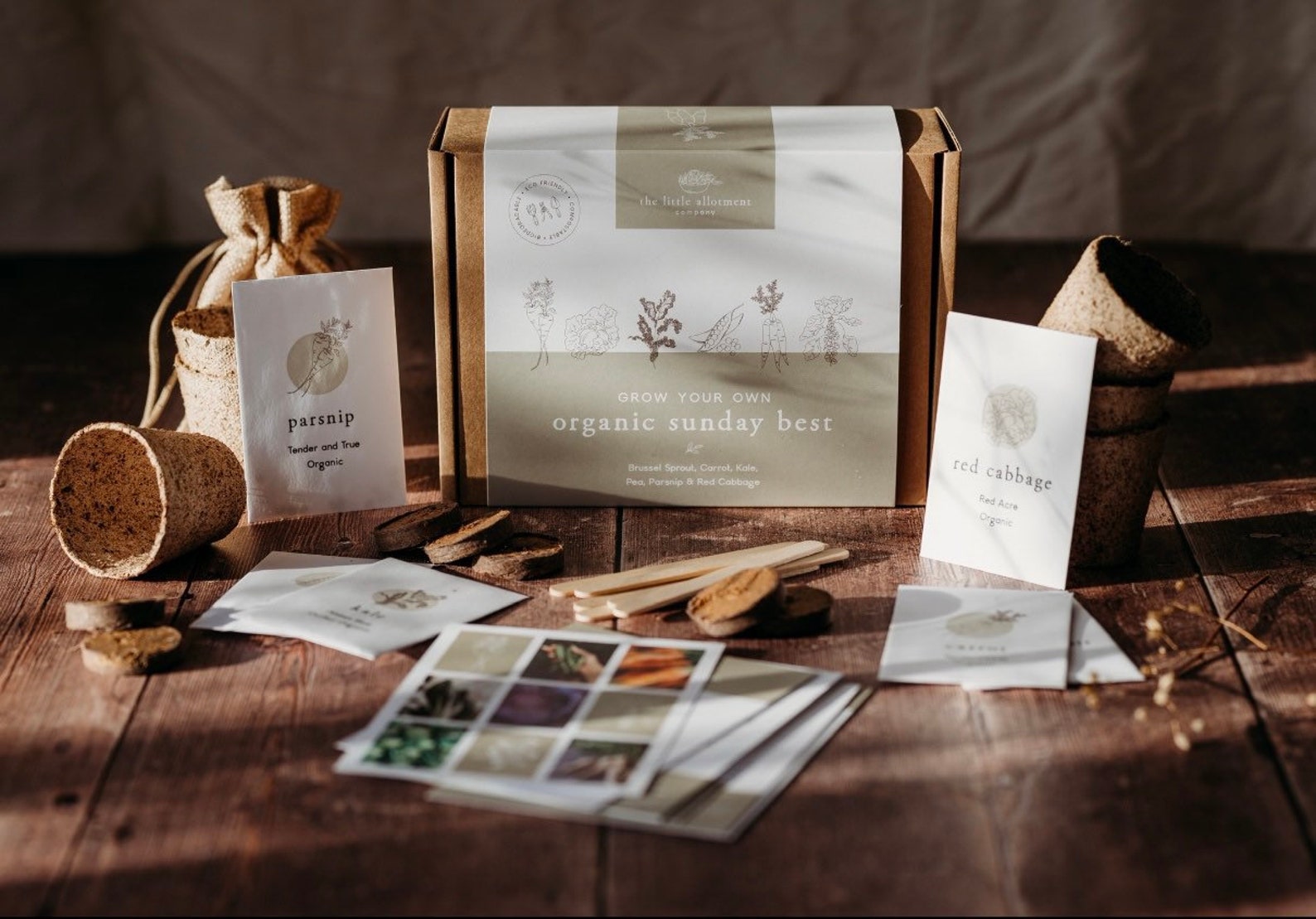
- Try growing your own organic produce in your garden or on a windowsill
These small changes build up over time.
Why organic feels better
For us, organic started with taste. Over time, it became about values and alignment. When we buy organic, we know we are supporting a system designed to protect life rather than exploit it.
It feels intentional.
It feels connected.
And it feels right.
Riverford Discount Code: Get Your £15 Off
If you’d like to give Riverford a go, you’ll get £15 off your second organic box via my refer a friend link.
Your discount is applied automatically, and a tree will be planted on your behalf too!

Conclusion
Organic food offers real benefits. Fewer pesticide residues, healthier soil, better wildlife protection and farming that considers long term wellbeing rather than fast yield.
There may also be nutritional differences in some cases, especially with plant based foods.
You do not need to switch everything to organic to make a difference. Even small swaps help. Over time, these choices shape habits and support a healthier food system for everyone.
Quick article roundup:
Organic food is grown without routine pesticides, artificial fertilisers or GM ingredients. It supports soil, biodiversity and long term sustainability. Organic produce often contains fewer chemical residues and may have higher beneficial compounds. Choosing organic is a way to support healthier ecosystems and more mindful eating.

Discover more from Healthy Vix
Subscribe to get the latest posts sent to your email.
This is really interesting I have to admit I hadn’t thought deeply about what makes it better for you .