

Tea has long been one of the world’s favourite drinks, loved for its soothing warmth and comforting taste. Whether you enjoy it first thing in the morning or as an evening wind-down, there’s something calming about wrapping your hands around a hot mug of tea.
But here’s the thing — not all tea is equal. If you’re sipping non-organic blends, you might unknowingly be consuming traces of pesticides and chemical residues used in farming. That’s why more people are turning to organic tea, grown without synthetic pesticides or fertilisers. It’s cleaner, more natural, and often better for both you and the planet.
Let’s explore the many benefits of organic tea, including how it may support your health, boost your wellbeing, and make your daily brew that bit more mindful.
Organic tea and oral health
One of the lesser-known benefits of organic tea is how it can support good oral health. Tea contains compounds called tannins that help reduce plaque build-up and may lower the risk of cavities.
Studies suggest tea drinkers tend to have healthier mouths and a more balanced oral microbiome than non-drinkers. Green tea extracts also show antibacterial effects, which may help tackle the bacteria responsible for bad breath.
So while it’s no substitute for regular brushing and flossing, a daily cup of organic green tea might help keep your smile fresher for longer.
Further reading and study: https://www.ncbi.nlm.nih.gov/pmc/articles/PMC6889868/
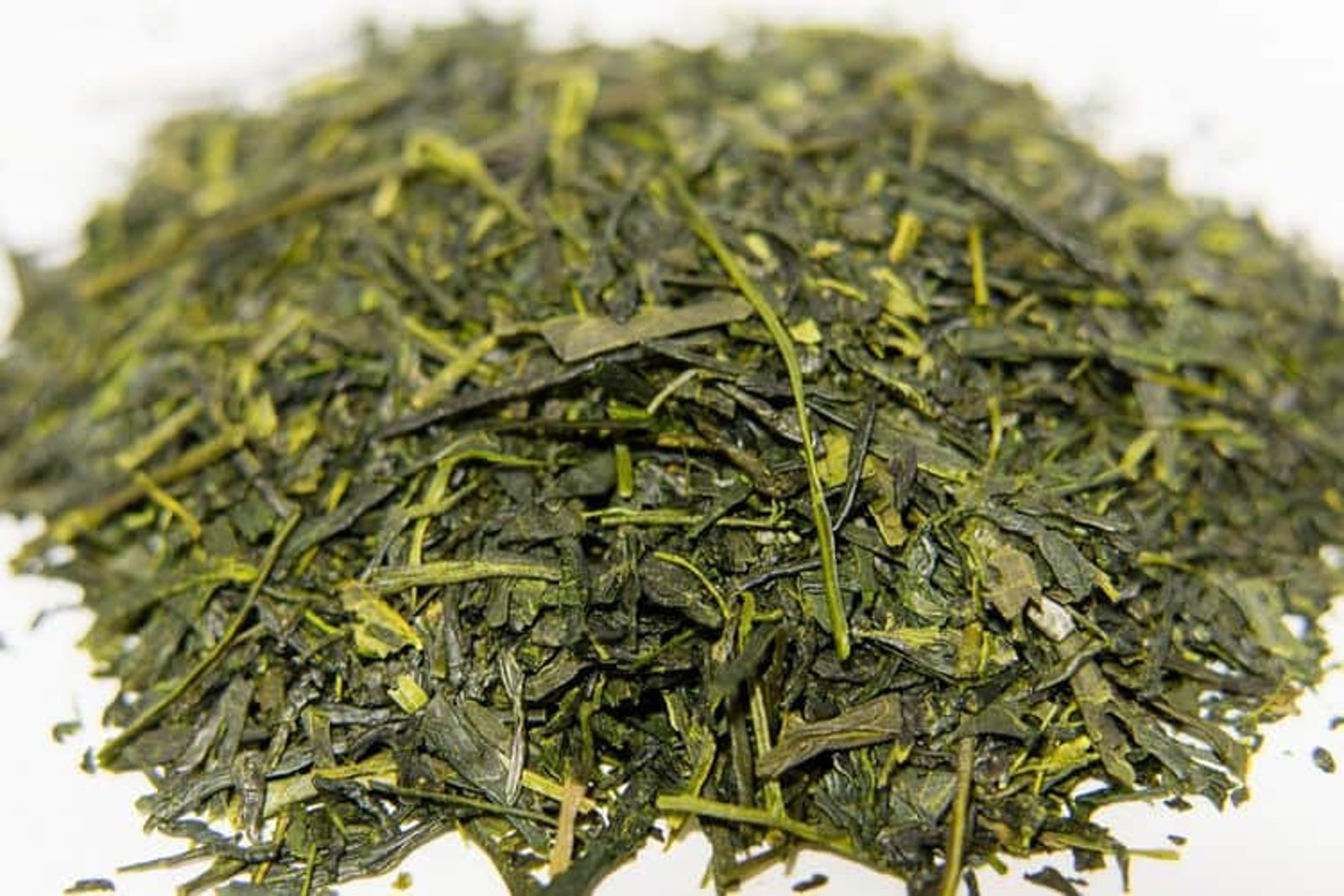
Organic green tea benefits for heart health
Many people drink tea simply for enjoyment, but its antioxidant properties may also play a role in supporting a healthy heart. The catechins and polyphenols in organic green tea have been linked to improved blood vessel function and better circulation.
Regular tea drinkers may find it helps maintain healthy cholesterol levels and blood pressure, though this depends on overall diet and lifestyle too. Choosing organic ensures you’re avoiding unwanted chemical residues while getting the purest form of these beneficial plant compounds.
Further reading: https://www.ncbi.nlm.nih.gov/pmc/articles/PMC6617169/
Organic tea for blood sugar balance
There’s also evidence suggesting that organic tea may support blood sugar regulation. The polyphenols found in tea can help the body manage insulin and glucose more effectively, potentially lowering the risk of type 2 diabetes over time.
Again, tea alone isn’t a treatment, but including organic green or black tea in your routine could support balanced energy and fewer sugar crashes throughout the day.
Further reading: https://www.ncbi.nlm.nih.gov/pmc/articles/PMC6154530/

Organic tea and immunity
If you’re looking for natural ways to support your immune system, organic tea can be a great addition. Antioxidants in tea may help protect cells from oxidative stress, which can weaken immunity.
Tea also contains amino acids and micronutrients that may enhance the body’s natural defences. A soothing cup of organic herbal tea — like chamomile, echinacea, or ginger — can calm the senses while giving your immune system gentle daily support.
You might also like to explore some healthy alternatives to fizzy drinks, if you’re looking to replace less nutritious options with drinks that naturally benefit your wellbeing.
Further reading: https://www.ncbi.nlm.nih.gov/pmc/articles/PMC5124528/
Organic tea and cognitive health
Research has shown that people who drink tea regularly often have a lower risk of cognitive decline later in life. Compounds in tea, including L-theanine and polyphenols, may help protect brain cells and support better concentration and focus.
Drinking organic tea as part of your daily ritual can be a simple way to nourish both body and mind — helping you stay sharp and present throughout the day.
Further reading: https://www.ncbi.nlm.nih.gov/pmc/articles/PMC5986534/
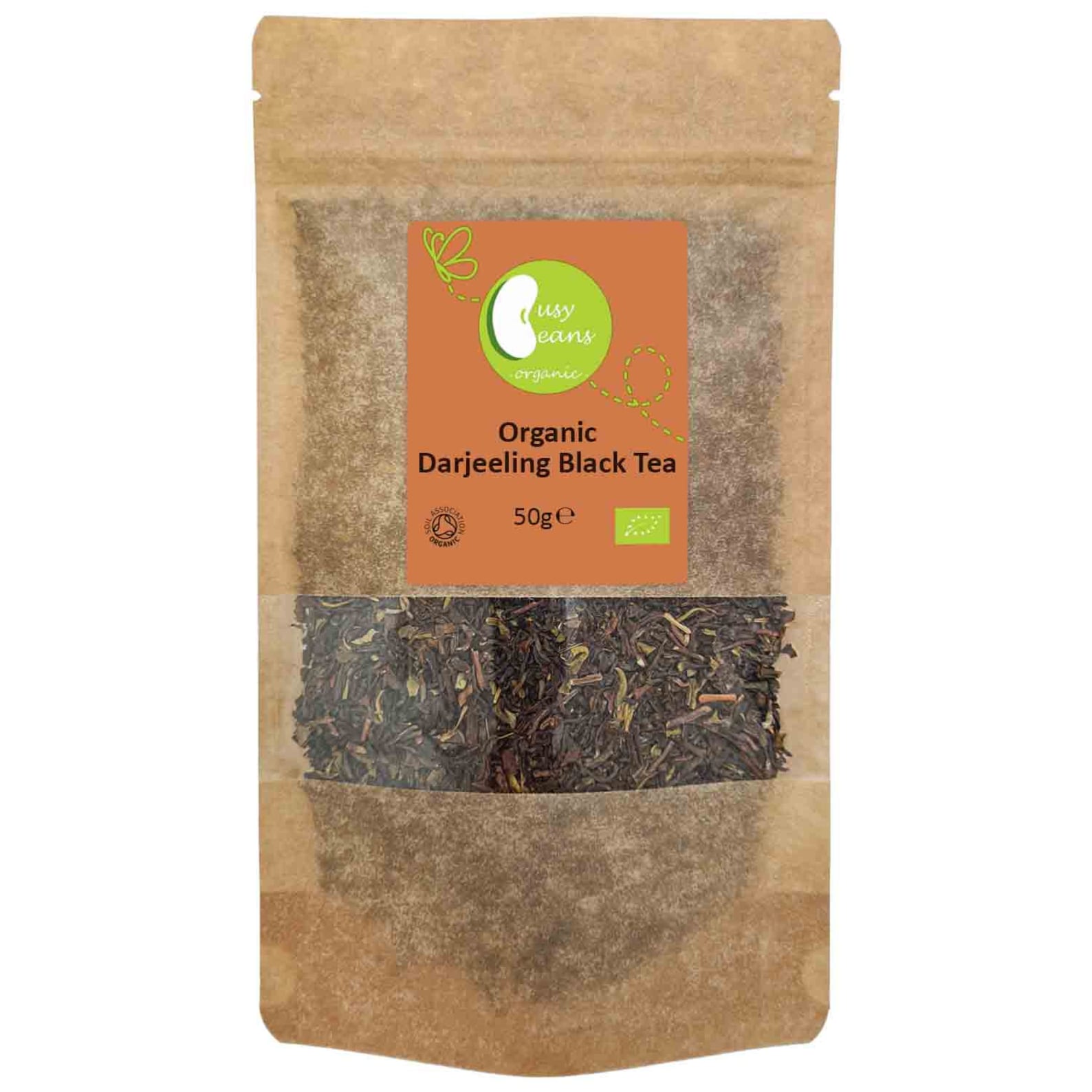
Tea and mental wellbeing
There’s a reason many of us instinctively reach for tea during stressful moments. Beyond its comforting warmth, tea may help regulate mood-related hormones such as serotonin and dopamine.
Organic teas like chamomile, lavender, and green tea are often enjoyed for their calming qualities and can be part of a mindful self-care routine. Pairing your daily cup with other healthy habits, such as superfoods for boosting immunity naturally, can further enhance your overall wellbeing.
If you’re experiencing prolonged low mood or anxiety, it’s always best to speak with a healthcare professional for personalised advice.
Further reading: https://www.ncbi.nlm.nih.gov/pmc/articles/PMC6627400/
Choosing the best organic teas for health
When shopping for tea, look for certified organic brands that clearly state how and where their tea is grown. Loose-leaf varieties often offer better quality and taste compared to lower-grade teabags.
Herbal teas such as rooibos, peppermint, or ginger can be excellent caffeine-free options, while green and black teas deliver a gentle energy lift thanks to their natural caffeine content.
For more inspiration, take a look at these five healthy alternatives to your favourite vices — perfect if you’re trying to build healthier habits without giving up life’s little pleasures.
Why choose organic tea?
The benefits of organic tea go beyond health alone. By choosing certified organic blends, you’re also supporting farmers who use sustainable, eco-friendly practices that protect the soil, wildlife, and waterways.
Organic farming avoids harmful pesticides, making it better for biodiversity and the planet. It’s a simple choice that supports both your wellbeing and a healthier world.
Final thoughts
Switching to organic tea is one of the simplest ways to make your daily routine a little healthier and more sustainable. From potential heart and immune benefits to mental clarity and calm, it’s more than just a drink — it’s a moment of care in every cup.
So next time you reach for the kettle, make it organic. Your body, mind, and the planet will thank you.

Discover more from Healthy Vix
Subscribe to get the latest posts sent to your email.