
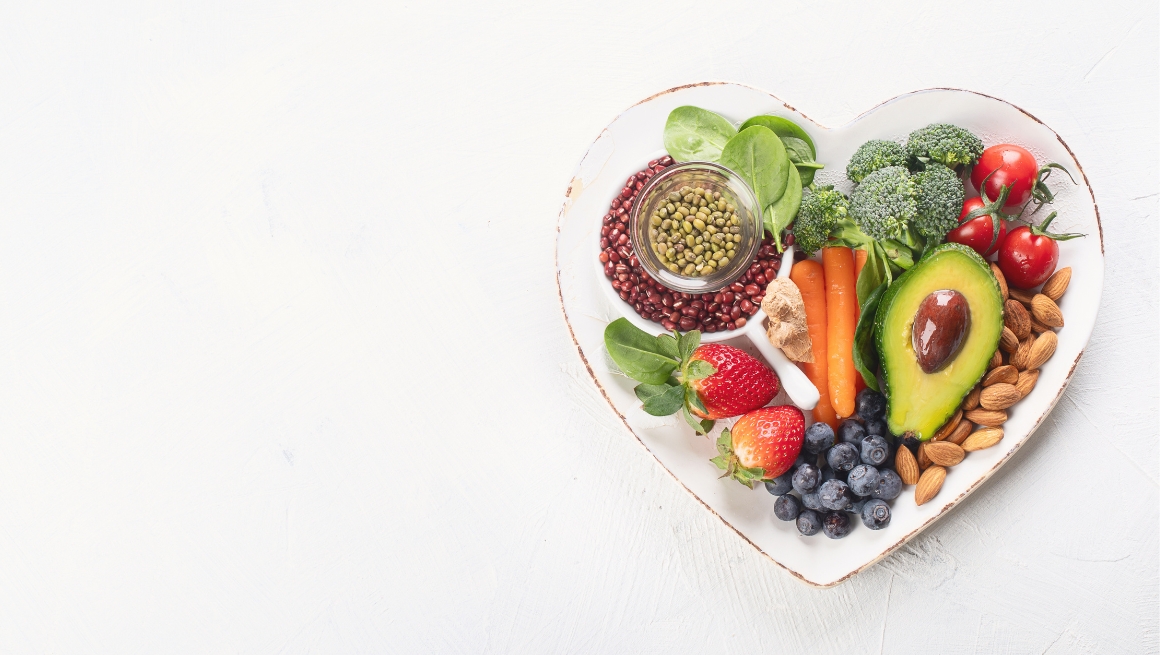
Whether you’re already practising veganism or just starting to explore the idea, meeting your nutritional needs is essential. As a vegan family since the start of 2018, we’ve learned how to thrive on a plant-based diet while staying healthy and energised.
A well-planned vegan diet can provide all the nutrients your body requires, but understanding where to find these nutrients in plant-based foods is key. This guide offers insights into your basic vegan nutritional needs, with practical tips to help you maintain a balanced diet.
Plant-Based Sources of Protein
Protein is a crucial macronutrient that plays an essential role in building and repairing tissues, supporting immune function, and producing enzymes and hormones. While meat is often considered the primary source of protein, it’s a common misconception that a vegan diet cannot provide enough protein. In reality, there are a wide variety of plant-based foods that are rich in protein and can easily meet your daily requirements.
Unlike animal protein, plant-based protein comes with added benefits, such as fibre, vitamins, and minerals, making it a more nutrient-dense option. To ensure you’re getting enough protein, it’s important to incorporate a variety of plant-based sources into your meals.
Best Vegan Sources of Protein:
- Whole grains: Foods like quinoa, farro, bulgur, and brown rice not only provide protein but are also rich in fibre and essential vitamins.
- Legumes: Beans, lentils, chickpeas, and peas are protein powerhouses and can be used in soups, stews, salads, and curries.
- Nuts and seeds: Almonds, sunflower seeds, chia seeds, and hemp seeds are high in protein and healthy fats, making them excellent snacks or additions to smoothies, salads, or oatmeal.
- Tofu and tempeh: These soy-based foods are packed with protein and are incredibly versatile, easily absorbing flavours and spices in various dishes.
- Peas: Both green peas and split peas are great protein sources and can be added to soups, stews, or blended into dips like hummus.
In addition to these foods, protein powders made from pea, rice, or hemp protein can also be a helpful supplement if you’re looking to boost your intake, especially after exercise or during busy days when you may need a quick protein source.
By combining these protein-rich foods in your diet, you can easily meet or exceed your daily protein needs without relying on animal products. Whether you’re cooking a hearty lentil stew, tossing some chickpeas in your salad, or adding a handful of nuts to your smoothie, getting enough protein on a vegan diet is both achievable and delicious.
How to Meet Your Calcium Needs on a Vegan Diet
A common myth is that calcium only comes from dairy products, but this is far from the truth. In fact, there are many plant-based foods that are rich in calcium, making it entirely possible to meet your calcium needs on a vegan diet. Calcium is essential for maintaining strong bones and teeth, supporting muscle function, and helping your blood clot properly. While dairy products are often marketed as the go-to source of calcium, there are plenty of plant-based options that provide just as much, if not more, of this vital mineral.
Plant-Based Sources of Calcium:
- Fortified plant-based milk: Almond, soy, and oat milk are commonly fortified with calcium and can be used in the same way as dairy milk in your daily meals.
- Oranges: Not only a great source of vitamin C, but also a surprising source of calcium. Add them to your breakfast or snack on them throughout the day.
- Firm soy foods: Tempeh and tofu are excellent sources of calcium and can be used in a variety of dishes, from stir-fries to smoothies.
- Peas: Peas are not only high in protein but are also a good source of calcium. Add them to soups, stews, or enjoy them as a side dish.
- Beans: Chickpeas, white beans, and kidney beans are all calcium-rich and versatile for adding to salads, stews, or dips.
- Lentils: Another great legume, lentils provide a plant-based source of calcium and are perfect for soups, curries, and salads.
- Almonds: These nuts are packed with healthy fats, protein, and calcium. Enjoy them as a snack or add them to your cereal or salads.
- Sesame seeds and tahini: Sesame seeds are an excellent source of calcium, and tahini, made from ground sesame seeds, can be used in dressings or as a dip.
- Chia seeds: These tiny seeds are not only rich in calcium but also offer omega-3 fatty acids, fibre, and protein. Add them to smoothies, overnight oats, or make chia pudding.
- Figs: A natural source of calcium, figs can be eaten as a snack or added to your favourite dishes for extra sweetness and crunch.
- Turnip greens and mustard greens: These dark leafy greens are packed with calcium and can be used in salads, soups, or sautéed as a side dish.
- Bok choy: This leafy vegetable, often used in stir-fries, provides a great amount of calcium while adding crunch and flavour.
- Collard greens: Another calcium-rich green, collard greens are perfect for braising or adding to soups and stews.
- Seaweed: Various types of edible seaweed, like nori, wakame, and kelp, are high in calcium and can be incorporated into salads, sushi, or soups.
- Kale: This dark leafy green is well known for being a rich source of calcium and can be used in smoothies, salads, or as a side dish.
By including a variety of these calcium-rich plant-based foods in your daily meals, you can easily meet your calcium needs without relying on dairy. It’s important to note that some plant-based sources of calcium, like kale and spinach, also contain oxalates, which can reduce calcium absorption, so it’s best to consume a wide variety of calcium sources to ensure optimal intake.
Boosting Your Iron Levels on a Plant-Based Diet
Iron is an essential mineral that supports the production of red blood cells and helps transport oxygen throughout your body. While iron is abundant in many plant-based foods, it’s important to pay attention to how you prepare and pair these foods to maximise absorption.
There are two types of iron: heme iron, found in animal products, and non-heme iron, found in plant-based foods. While non-heme iron is not as easily absorbed by the body as heme iron, there are strategies to enhance its absorption on a vegan diet.
Tips for Boosting Iron Absorption:
- Soak beans and legumes: Soaking beans, lentils, and other legumes before cooking helps reduce compounds that can inhibit iron absorption, making it easier for your body to absorb the iron in these foods.
- Roast your nuts: Roasting nuts such as almonds and cashews can also improve the bioavailability of iron, making it easier for your body to absorb.
- Pair iron-rich foods with vitamin C: Vitamin C enhances the absorption of non-heme iron. Pairing iron-rich plant foods like lentils, chickpeas, and spinach with vitamin C-rich foods such as oranges, bell peppers, strawberries, or broccoli can significantly boost your iron intake.
- Avoid calcium-rich foods at the same time: Calcium can interfere with iron absorption, so try to avoid consuming large amounts of calcium-rich foods (like fortified plant milks or leafy greens) with iron-rich meals.
Plant-Based Sources of Iron:
- Lentils
- Chickpeas
- Tofu
- Spinach
- Quinoa
- Pumpkin seeds
- Black beans
- Tahini
- Fortified cereals
Including a variety of these iron-rich foods in your diet, combined with proper food preparation and pairing, ensures that your body gets the iron it needs. If you’re concerned about your iron levels, it’s always a good idea to consult with a healthcare professional to monitor and adjust your diet accordingly.

Essential Vitamins and Minerals for Vegans
Vitamins and minerals play a significant role in maintaining overall health. Here’s a breakdown of essential nutrients for vegans:
- Vitamin B12: Since B12 is not naturally abundant in plant-based foods, it’s crucial to include fortified nutritional yeast, fortified non-dairy milk, and supplements such as organic chlorella in your diet. This helps prevent deficiencies that can lead to anaemia or nervous system damage. Read what every vegan should know about vitamin B12 for more information.
- Vitamin D: Get your vitamin D from sunlight exposure, fortified cereals, mushrooms, and plant-derived supplements.
- Magnesium: Boost your magnesium intake with nuts, green leafy vegetables, avocados, legumes, seeds, mango, oats bananas, and whole grains.
- Vitamin C: Citrus fruits (oranges, lemons, grapefruits), strawberries, kiwis, bell peppers, tomatoes, and broccoli.
- Vitamin A: Sweet potatoes, carrots, pumpkin, butternut squash, apricots, and spinach.
- Vitamin K: Kale, spinach, collard greens, Brussels sprouts, and parsley.
- Zinc: Pumpkin seeds, sunflower seeds, lentils, chickpeas, oatmeal, and cashews.
- Selenium: Brazil nuts, sunflower seeds, brown rice, and mushrooms.
- Potassium: Bananas, potatoes (with skin), oranges, avocados, spinach, and coconut water.
- Iodine: Seaweed (e.g., nori, wakame, kelp) and iodised salt.

Why Healthy Fats Are Vital in a Vegan Diet
Healthy fats are a crucial component of a well-rounded vegan diet. They provide your body with essential fatty acids that it cannot produce on its own, support brain function, aid in hormone production, and help reduce inflammation in the body. Unlike unhealthy saturated and trans fats, which can increase the risk of heart disease, healthy fats offer numerous benefits for your overall well-being.
One of the most important types of healthy fats is Omega-3 fatty acids, which are known for their anti-inflammatory properties and their role in supporting heart, brain, and eye health. While many people associate Omega-3s with fish, there are plenty of plant-based sources that can help you meet your needs:
- Flaxseeds and flaxseed oil
- Chia seeds
- Walnuts
- Hemp seeds
- Dark green leafy vegetables, such as kale and spinach
- Algae-based Omega-3 supplements, which are particularly useful for obtaining DHA and EPA, the most active forms of Omega-3s.
In addition to Omega-3s, other healthy fats are found in a variety of plant-based foods. These include monounsaturated fats, which support heart health, and polyunsaturated fats, which are vital for overall cell function. You can find these in:
- Avocados
- Olive oil and olives
- Nuts like almonds, cashews, and pecans
- Seeds like sunflower seeds and pumpkin seeds
Incorporating these foods into your meals not only enhances the flavour and texture of your dishes but also ensures you’re providing your body with the healthy fats it needs.
Remember, fats are calorie-dense, so moderation is key, but don’t shy away from including them in your diet. They play an important role in nutrient absorption, particularly for fat-soluble vitamins like A, D, E, and K, making them a vital part of any vegan diet.
Fibre: The Key to Digestive Health on a Vegan Diet
Fibre is a vital nutrient for maintaining a healthy digestive system. It plays a crucial role in keeping your bowels regular, supporting gut health, and preventing constipation. Additionally, fibre helps regulate blood sugar levels by slowing the absorption of sugar into your bloodstream, which can reduce spikes and crashes in energy levels. It also promotes a feeling of fullness, making it an excellent nutrient for those looking to manage their weight.
There are two types of fibre—soluble and insoluble—both of which are important for your health. Soluble fibre, found in foods like oats, apples, and lentils, dissolves in water and helps lower cholesterol levels and control blood sugar. Insoluble fibre, found in whole grains, nuts, and many vegetables, adds bulk to your stool and aids in regular bowel movements.
Here are some fibre-rich vegan foods to include in your diet:
- Whole grains: Brown rice, quinoa, oats, whole wheat bread, and barley
- Legumes: Lentils, black beans, chickpeas, and kidney beans
- Nuts and seeds: Almonds, chia seeds, flaxseeds, and sunflower seeds
- Fruits: Apples, bananas, oranges, pears, and berries
- Vegetables: Broccoli, carrots, Brussels sprouts, and sweet potatoes
Eating a variety of these foods ensures that you get both types of fibre and reap the full health benefits. Remember to drink plenty of water alongside your fibre-rich meals, as fibre absorbs water to work effectively. A well-planned vegan diet naturally provides plenty of fibre, helping you maintain digestive health and overall well-being.
Final Thoughts on Thriving with Your Basic Vegan Nutritional Needs…
Meeting your vegan nutritional needs is entirely possible with a bit of planning and knowledge. By incorporating a variety of plant-based foods into your diet, you can ensure that you’re getting the essential nutrients your body requires.
Remember to monitor your intake of key nutrients like vitamin B12, iron, and calcium, and consider supplements if needed. A balanced vegan diet supports not only your health but also aligns with ethical and environmental values.
Are you on Pinterest? Please kindly pin to your healthy living, vegan or nutrition boards:

Discover more from Healthy Vix
Subscribe to get the latest posts sent to your email.
I tried being Vegan when I was in twenties I’m still a little apprehensive about trying again.