

One of the most common questions people have when they go vegan is where the protein comes from. The answer, once you start looking, is everywhere. But snacks specifically – those quick, convenient, portable bites between meals – can take a bit more thought.
I’ve been eating a plant-based diet for years and I don’t obsessively track protein. What I do pay attention to is eating enough of the right things throughout the day so my body has what it needs – particularly around exercise, when I’m running, playing tennis, or doing kettlebell workouts at home.
Here are the vegan protein snacks I actually reach for, before and after workouts and in between.
Homemade energy balls
This is my favourite and the one I make most regularly. Homemade energy balls are quick, versatile, genuinely delicious, and you know exactly what’s in them.
The basic formula is simple: blend together a combination of nuts, seeds, dried fruit and a binding ingredient like dates or nut butter, roll into balls, and refrigerate. You can add protein powder if you want an extra boost, or keep it purely whole food based – both work well.
Some combinations I love:
- Oats, peanut butter, dates, chia seeds and raw cacao
- Mixed nuts, coconut, dates and hemp seeds
- Almond butter, oats, dried cranberries and pumpkin seeds
The protein comes from the nuts and seeds – 100g of mixed seeds provides around 25-30g of protein, and nuts add more on top. Adding hemp protein or pea protein powder bumps this up further if you want. My coconut matcha energy balls recipe is a good starting point if you want a tried and tested version.
I make a batch every so often and keep them in the fridge. They last well, travel easily, and are genuinely satisfying in a way that most shop-bought snacks aren’t.
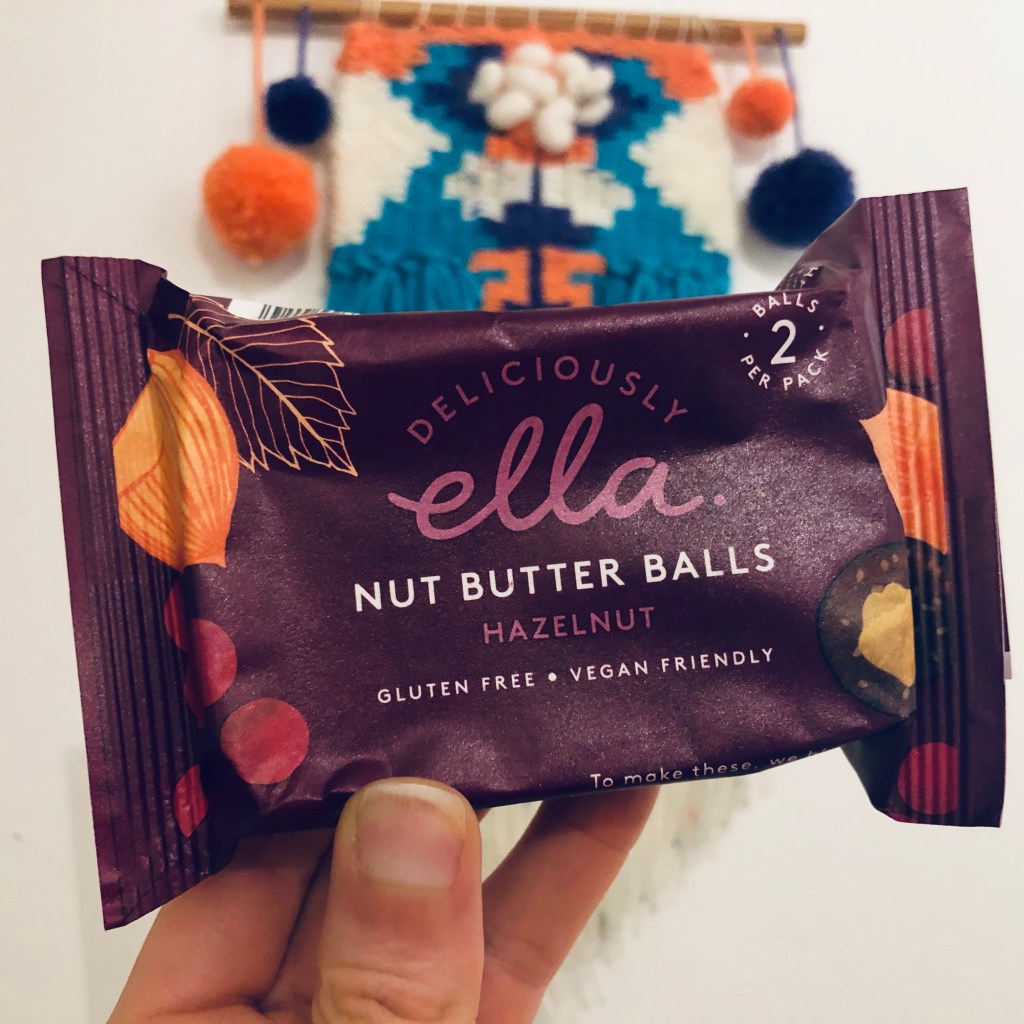
Nuts and seeds
The simplest high protein vegan snack there is. A small handful of mixed nuts provides around 5-7g of protein alongside healthy fats that keep you full and support brain function.
Almonds, walnuts, cashews, Brazil nuts, pumpkin seeds, sunflower seeds – all are worth having around. I keep a jar of mixed nuts and seeds on the kitchen counter so they’re easy to grab rather than reaching for something less nutritious.
Hemp seeds and pumpkin seeds are particularly good protein sources if you want to be specific – both are rich in complete or near-complete plant protein. Sprinkled on anything, blended into smoothies, or eaten by the spoonful. My post on the benefits of eating hemp seeds goes into more detail on why they’re worth adding to your daily routine.
Fruit with nut butter
Apple slices with almond butter. Banana with peanut butter. Rice cakes with cashew butter. Any combination of fruit and nut butter gives you natural carbohydrates for energy plus protein and healthy fats from the nut butter.
This is a good pre-workout snack because the fruit provides quick energy and the nut butter slows the release, giving you sustained fuel rather than a spike and crash. It’s also genuinely delicious and takes about 30 seconds to prepare.
Look for nut butters with no added sugar or palm oil – just the nut, maybe a little salt. The ingredient list should have one or two items at most.

Hummus with vegetables
Hummus is made from chickpeas, which are a good source of plant protein and fibre. A portion of hummus with raw vegetables – carrot sticks, cucumber, celery, pepper strips – is a satisfying snack that provides protein, fibre and a range of vitamins and minerals.
It’s also incredibly easy. Chop some vegetables, open a pot of hummus, done. Or make your own if you have a blender – homemade hummus is simple and tastes noticeably better than most shop-bought versions.
Vegan protein bars
When you need something portable and convenient that doesn’t require any preparation, a good vegan protein bar is worth having. The key is finding ones that are genuinely nutritious rather than glorified chocolate bars with a protein claim on the front.
My go-to brands are Nakd and Pulsin bars, both made from whole food ingredients – dates, nuts, and natural flavourings – with no added sugar or refined ingredients.
Check the ingredients before buying any protein bar – if sugar or sugar syrup is near the top of the list, or if there’s a long list of additives, it’s probably not much better than a confectionery bar.
Tofu and tempeh snacks
Tofu and tempeh are both excellent sources of complete plant protein – tempeh in particular is one of the highest protein plant foods available. They’re more of a meal ingredient than a typical snack, but there are ways to make them work.
Baked tofu cubes – seasoned and oven-baked until firm and slightly crispy – make a surprisingly good high protein snack you can eat warm or cold. Tempeh can be sliced and pan-fried with a little tamari for a quick protein-rich bite.
If you’re new to tofu or tempeh and not sure how to use them, my post on cheap vegan protein sources covers a wide range of affordable plant proteins worth adding to your diet.

Protein smoothies
A smoothie is one of the quickest ways to get a significant amount of protein in a convenient, portable form. Blend a banana, a handful of spinach, plant milk, a tablespoon of nut butter, and a scoop of protein powder and you have a proper post-workout recovery drink.
I use hemp or pea protein powder when I have some in – both are plant-based, easily digestible, and blend well without affecting the flavour too much. Hemp protein has a mild nutty taste that works particularly well in fruit-based smoothies.
You don’t need protein powder to make a high protein smoothie – hemp seeds, nut butter, and high-protein plant milk all contribute without needing supplements. But if you do use protein powder, look for one with minimal ingredients and no artificial sweeteners.
How much protein do you actually need?
I don’t count protein grams daily and I’d encourage you not to stress about it either, particularly if you’re eating a varied whole food plant-based diet. Most people who eat a reasonable range of plant foods get enough protein without tracking.
That said, if you exercise regularly, being protein-aware around workouts is worth it. Aim to include a protein source in your pre and post-workout snack and make sure your meals are built around legumes, tofu, tempeh, nuts, seeds and wholegrains rather than mostly carbohydrates.
For a broader picture of how to eat well on a plant-based diet, my post on healthy quick vegan snack ideas for working at home has more inspiration for nutritious bites that fit around a busy day.

Discover more from Healthy Vix
Subscribe to get the latest posts sent to your email.