

Adopting a vegan diet is a fantastic way to improve your health, reduce your environmental impact, and support animal welfare. However, making the switch can feel overwhelming at first.
The good news is that transitioning to plant-based eating doesn’t have to be difficult. With the right approach, you can ease into a nutritious, balanced, and sustainable vegan lifestyle.
If you’re wondering how to start a vegan diet, this step-by-step guide will help you make the transition smoothly and successfully.
Why Go Vegan?
There are many reasons why people choose to adopt a vegan lifestyle. Some do it for health benefits, as plant-based diets are linked to lower risks of heart disease, type 2 diabetes, and certain cancers. Others make the switch for environmental reasons, as animal agriculture is a major contributor to deforestation and both air and water pollution.
Ethical concerns also play a role, with many people choosing veganism to avoid contributing to animal suffering.
Step 1: Start with Small Changes
Going vegan overnight can be challenging for some people, and although I would recommend going completely vegan as I wish I had sooner, it may be easier to transition gradually. You don’t need to give up all animal products at once—start by making small adjustments to your diet.
Begin by swapping out dairy milk for a plant-based alternative such as oat, almond, or soy milk. Replace butter with vegan spreads and switch to dairy-free yoghurt. These simple changes help ease you into a fully plant-based diet without feeling restricted.
If you’re new to plant-based eating, you might find it helpful to check out how to make your diet more plant-based for easy ways to incorporate more vegan meals into your routine.

Step 2: Explore Plant-Based Proteins
One of the biggest concerns for new vegans is getting enough protein, but there’s no need to worry. There are plenty of high-protein plant-based foods, including:
- Lentils and chickpeas
- Tofu, tempeh, and seitan
- Quinoa and whole grains
- Nuts, seeds, and nut butters
Eating a variety of these foods ensures you get all the essential amino acids your body needs.
Step 3: Find Vegan Alternatives for Your Favourite Foods
Many people worry that going vegan means giving up their favourite meals, but that’s not the case. Today, there are vegan versions of almost every food, from burgers and pizzas to chocolate and ice cream.
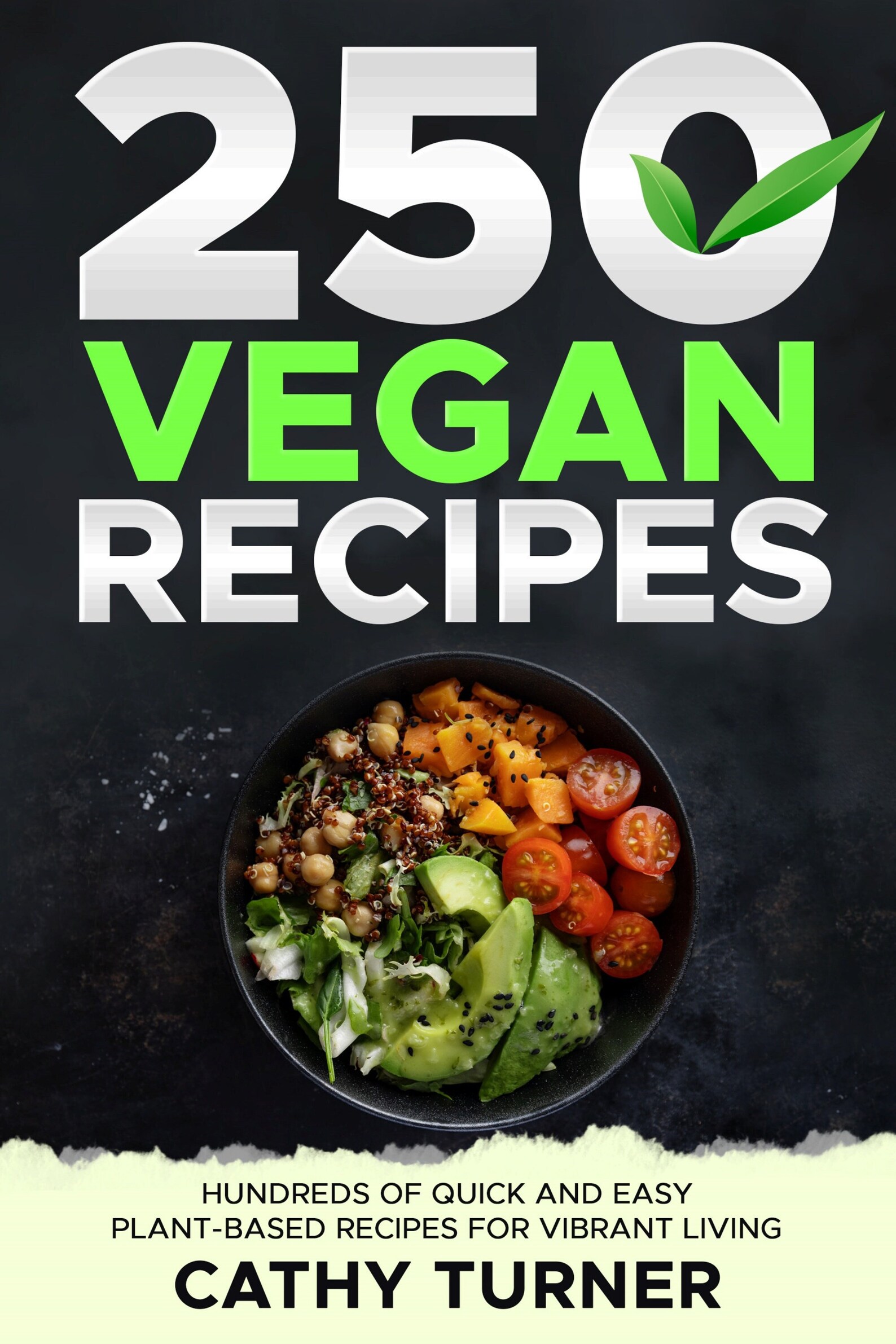
Supermarkets now stock a wide range of plant-based alternatives, including dairy-free cheeses, meat substitutes, and even vegan eggs. If you’re a fan of cooking from scratch, you can also experiment with homemade versions using ingredients like jackfruit, lentils, and mushrooms for meaty textures.
Here’s some inspiration for delicious vegan meals:
- 21 easy vegan recipes for dinner anyone can make
- Easy vegan meal inspiration
- Vegan food diary: everything I ate for two weeks
- 10 Easy & Healthy Ways to Eat Sweet Potatoes
Step 4: Plan Balanced Meals
A well-planned vegan diet provides all the nutrients you need, but it’s important to ensure you’re getting a wide variety of foods. Some key nutrients to focus on include:
- Iron – Found in lentils, tofu, spinach, and pumpkin seeds. Pair with vitamin C (such as citrus fruits) for better absorption.
- Vitamin B12 – Fortified plant milks, nutritional yeast, and supplements are great sources.
- Omega-3 fatty acids – Found in flaxseeds, chia seeds, walnuts, and algae-based supplements.
- Calcium – Present in fortified plant milks, leafy greens, and tofu.
For more information on staying healthy on a vegan diet, read about how to get essential nutrients as a vegan.
Step 5: Learn How to Eat Out as a Vegan
Eating out can seem daunting when transitioning to veganism, but it’s becoming easier as more restaurants offer plant-based options. Many chains now have vegan menus, and most places will accommodate dietary requests if you ask.
To make dining out stress-free, check online menus in advance and look for vegan-friendly restaurants in your area. If you’re ever unsure about ingredients, don’t hesitate to ask the staff for more details.

Step 6: Stock Your Kitchen with Vegan Essentials
Having a well-stocked kitchen makes it much easier to prepare nutritious vegan meals. Keep a variety of staple ingredients on hand, such as:
- Whole grains (rice, pasta, quinoa)
- Tinned beans and lentils
- Nuts, seeds, and nut butters
- Fresh and frozen fruits and vegetables
- Plant-based milk and dairy alternatives
- Tinned tomatoes
- Dried soy pieces and dried soy mince (rehydrate the mince, add to chopped tomatoes, onion, basil and mushrooms for an easy and tasty vegan bolognese!)
Step 7: Find Support and Stay Motivated
Transitioning to veganism is easier when you have support. Join vegan communities on social media, follow plant-based recipe blogs, and connect with others who share your goals. Having a network of like-minded people can help keep you inspired and motivated.
It’s also helpful to educate yourself about the benefits of veganism. Watching documentaries, reading books, and following plant-based advocates can reinforce your commitment to this lifestyle.
If you ever feel stuck, remind yourself why you started. Whether it’s for health, the environment, or ethical reasons, staying connected to your motivation will help you stay on track with your vegan journey.
Read Why I’ll Never Eat Meat Again 🙂
Final Thoughts
Switching to a vegan diet is a rewarding journey that comes with numerous health, ethical, and environmental benefits. By making gradual changes, exploring plant-based alternatives, and ensuring you get all the necessary nutrients, you can transition to a balanced and sustainable vegan lifestyle with ease.
For more plant-based inspiration, check out these blog posts:
- Easy + delicious homemade mini vegan pizzas
- 21 Easy & Delicious Vegan Sandwich Fillings
- How To Make Fruity Bubble Tea Vegan-Friendly
- What On Earth Do Vegans Eat?
Discover more from Healthy Vix
Subscribe to get the latest posts sent to your email.