
Weight loss can feel complicated, with countless diets promising quick fixes but rarely delivering lasting results. Many people try calorie counting, extreme restriction, or fad programmes, only to regain the weight once old habits return. One approach that stands out for both health and sustainability is a plant-based diet.
By focusing on whole foods such as fruits, vegetables, legumes, nuts, and whole grains, a plant-based lifestyle makes it easier to reduce calorie intake without going hungry. It naturally supports long-term weight management, boosts energy, and improves overall well-being.
In this article, we’ll explore how a plant-based diet promotes weight loss, why it’s effective, and practical tips for getting started in a balanced and enjoyable way.
Why Plant-Based Diets Support Weight Loss
Lower Calorie Density
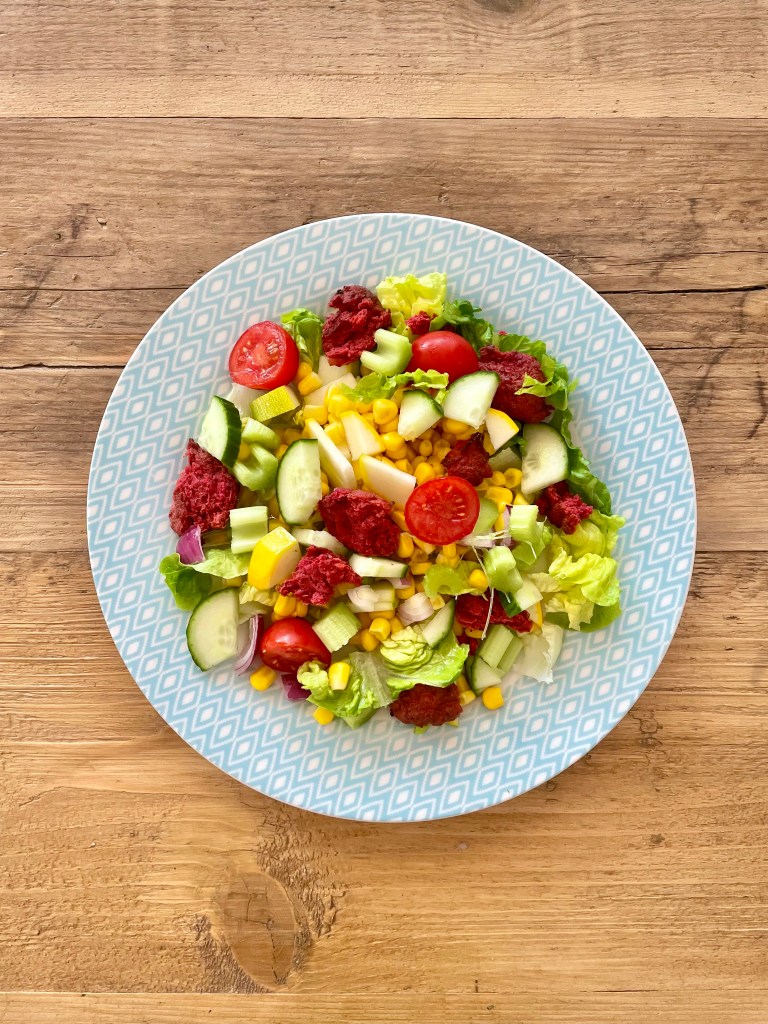
Plant foods are naturally less calorie-dense than animal products or processed foods. Calorie density refers to the number of calories per gram of food. Vegetables, fruits, and whole grains are high in nutrients but low in calories, meaning you can eat larger portions without consuming excess energy.
For example, a large bowl of salad or vegetable soup provides fewer calories than a small serving of cheese or fried meat. This makes it easier to feel full while maintaining a calorie deficit, which is essential for weight loss.
High in Fibre for Satiety
Fibre is one of the most powerful tools for weight management. It slows digestion, keeps blood sugar steady, and helps you feel satisfied after meals. A plant-based diet is naturally rich in fibre because it emphasises fruits, vegetables, legumes, and whole grains.
This steady release of energy reduces the temptation to snack on sugary or processed foods. Over time, higher fibre intake also improves digestive health and supports natural appetite regulation.
Supports a Healthy Metabolism
Certain plant foods can help the body burn calories more efficiently. Whole grains, green tea, and spicy foods like chilli peppers provide small but meaningful boosts to metabolism. When combined with exercise and balanced eating, this supports long-term weight control.
Protein is also essential for maintaining muscle mass, which is important for metabolism. Many people worry about getting enough protein on a plant-based diet, but with beans, lentils, tofu, tempeh, and nuts, it’s completely achievable.
Naturally Reduces Processed and Sugary Foods
Adopting a plant-based diet often means reducing processed, high-sugar, and high-fat foods. This is because many people who follow a plant-based diet want to eat healthier, more whole foods and fewer processed foods. This is a natural step toward weight loss because processed foods are usually calorie-dense but low in nutrition.
Cutting back on refined sugar is especially beneficial. Sugary snacks, drinks, and desserts cause energy spikes followed by crashes, which can lead to overeating. To learn more, see the problem with refined sugar, which explains why reducing sugar intake is a key part of healthier weight management.
Promotes Long-Term Lifestyle Changes
Fad diets often fail because they rely on extreme restrictions. A plant-based diet is different — it’s a lifestyle rather than a temporary fix. By focusing on adding nourishing foods rather than removing everything you enjoy, it becomes easier to stick with the plan.
This positive, sustainable approach means people are less likely to rebound or fall back into old habits. Over time, weight loss becomes a natural result of healthier living.
Scientific Support for Plant-Based Weight Loss
There’s growing evidence that plant-based diets are effective for both weight loss and long-term weight management. Studies consistently show that people who follow vegetarian or vegan diets tend to have lower body mass indexes (BMIs) compared with those who eat more animal-based foods.
One review highlighted that adopting a plant-based diet can be a practical strategy for controlling body weight. It found that shifting towards more fruits, vegetables, whole grains, and legumes not only reduces calorie intake but also helps people stick to their diets more easily than when following restrictive weight-loss plans (PMC8701327).
Another scientific review looked more closely at how plant-based diets reduce body fat. It found that beyond simply lowering calorie intake, plant-based foods support fat loss through several physiological processes. These include improved gut health, better insulin sensitivity, higher fibre intake, and beneficial plant compounds such as polyphenols that influence metabolism. Some trials even showed people lost body fat while eating similar calorie amounts, suggesting the quality of plant foods themselves plays an important role (PMC6893503).
Together, these findings provide strong scientific support for what many people experience in real life: that eating more plants can help you lose weight naturally, without needing extreme restriction.
Practical Tips for Plant-Based Weight Loss
Switching to a plant-based diet can feel daunting at first, but small, gradual steps make it manageable. Here are some practical ways to begin:
- Fill half your plate with vegetables at every meal
- Include a protein source like beans, lentils, or tofu in each dish
- Snack smart with fruit, hummus and veg, or a handful of nuts
- Stay hydrated with water and herbal teas to avoid mistaking thirst for hunger (avoid fizzy drinks and sugary drinks)
- Batch cook meals like chilli, curries, or soups to avoid convenience foods (here’s some vegan meal inspiration from the type of easy plant-based dinners we eat as a vegan family)
Meal planning is especially helpful. Knowing what you’ll eat reduces reliance on last-minute, less healthy choices.
Common Myths About Plant-Based Diets and Weight Loss
“Carbs make you gain weight.”
Not all carbohydrates are equal. Whole-food carbs like oats, sweet potatoes, and brown rice provide long-lasting energy and keep you feeling full. It’s refined carbs, such as white bread and sugary snacks, that contribute to weight gain.
“You can’t build muscle on plants.”
Plant-based diets can fully support muscle growth when combined with strength training. Protein-rich foods like tempeh, beans, lentils, and seitan are effective sources.
“Plant-based diets are too restrictive.”
In reality, plant-based eating offers a huge variety. From Mediterranean grains and vegetables to Asian-inspired tofu dishes, global cuisines provide endless plant-based meal options. Once you explore different flavours, it rarely feels restrictive.
How to Stay Motivated on a Plant-Based Weight Loss Journey
Like any lifestyle change, motivation can dip. The key is to focus on benefits beyond weight loss. Plant-based diets improve digestion, boost energy, lower cholesterol, and reduce the risk of chronic disease. These positive outcomes can keep you on track even when progress feels slow.
It also helps to track non-scale victories, such as improved sleep, better mood, or greater fitness. Celebrating these achievements makes the journey more rewarding.

A Balanced Approach: Don’t Forget Treats
A sustainable plant-based diet includes room for enjoyment. Indulging in dark chocolate, vegan ice cream, or plant-based baked goods occasionally won’t ruin progress. In fact, allowing treats helps prevent feelings of restriction and makes it easier to maintain the lifestyle long term.
The goal is balance, not perfection. Focusing on whole, nutrient-rich foods most of the time naturally supports healthy weight management.

Final Word
A plant-based diet is one of the most effective and sustainable ways to lose weight. With lower calorie density, high fibre, and nutrient-rich foods, it makes weight management easier without leaving you hungry or deprived.
By embracing this lifestyle, you not only support long-term health and energy but also reduce reliance on processed foods. Small, steady changes add up, making plant-based eating a powerful tool for lasting weight loss.
For plant-based inspiration & recipes, check out these articles:
Discover more from Healthy Vix
Subscribe to get the latest posts sent to your email.
My husband had to lose weight after being diagnosed with diabetes a few years ago. He lost three stone by going vegetarian, so it does help!