

Skincare is more than a beauty routine. The choices we make about the products we use have an impact on our health, the environment, and even the wider world. From plastic-heavy packaging to harmful chemicals and animal testing, many mainstream skincare products come at a cost far beyond the bathroom shelf.
The good news is that creating a sustainable skincare routine is possible — and it doesn’t mean sacrificing effectiveness. By making mindful choices, you can enjoy healthy, glowing skin while supporting ethical, eco-friendly practices. This guide will show you how to build a routine that is kind to your skin and the planet.
What Does “Sustainable Skincare” Mean?
Sustainability in skincare goes beyond what’s in the bottle. A sustainable approach considers the entire life cycle of a product, from sourcing to packaging and disposal. It’s about reducing harm while supporting practices that protect both people and the environment.
Key aspects of sustainable skincare include:
- Ethical sourcing of ingredients that don’t exploit communities or ecosystems
- Cruelty-free testing to protect animals
- Eco-friendly packaging to reduce waste and plastic pollution
- Minimal and natural formulations to avoid unnecessary chemicals
- Long-term habits that focus on health and not overconsumption
By aligning skincare with these principles, you support both personal wellbeing and environmental responsibility.

Step 1: Choose Cruelty-Free and Vegan Brands
One of the easiest steps towards sustainable skincare is choosing cruelty-free and vegan products. These guarantee that no animals were harmed or tested on during production.
Certifications from organisations like Leaping Bunny or PETA help identify trustworthy brands. Look out for vegan labelling too, as cruelty-free doesn’t always mean free from animal-derived ingredients like beeswax or lanolin.
If you’re already exploring natural solutions for eczema or suncare for sensitive skin, for example, check whether the products you use are also cruelty-free and vegan. Making one switch at a time makes the transition more affordable and sustainable.
Step 2: Reduce Plastic Waste
The beauty industry generates millions of tonnes of packaging waste each year, much of it single-use plastic. Reducing this waste is central to a sustainable skincare routine.
Look for alternatives such as:
- Glass jars or bottles that can be reused or recycled
- Aluminium tins that are lightweight and recyclable
- Compostable or biodegradable packaging
- Refillable options where you only repurchase the product contents, not the packaging
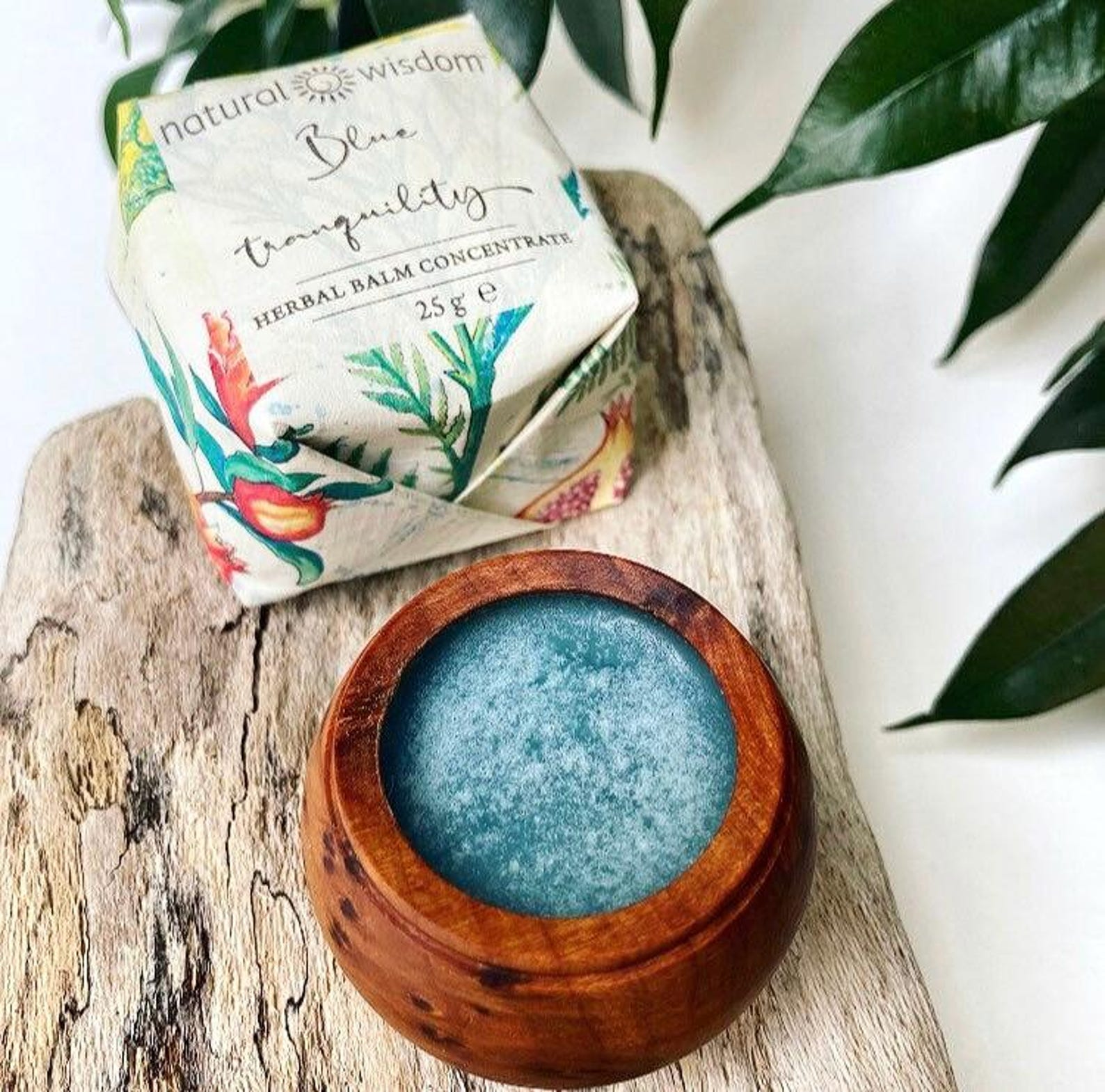
Some brands even offer take-back schemes for empty containers, helping close the waste loop. By choosing better packaging, your skincare routine supports the environment as well as your complexion.
Step 3: Simplify Your Skincare Routine
Sustainability often means doing more with less. Many people use a long list of products every day, but in reality, most skin only needs a few essentials. Simplifying reduces cost, packaging waste, and exposure to unnecessary ingredients.
A basic sustainable routine could include:
- A gentle, natural cleanser
- A moisturiser with plant-based oils
- A mineral sunscreen for daytime protection
By cutting out unnecessary steps, you allow your skin to breathe. For more inspiration, see how to naturally get glowing, healthy skin, which shows how fewer, better products often deliver the best results.
Step 4: Use Natural and Non-Toxic Ingredients
Harsh chemicals not only affect your skin but also enter water systems during disposal. Sustainable skincare favours natural, biodegradable ingredients that nourish without polluting.
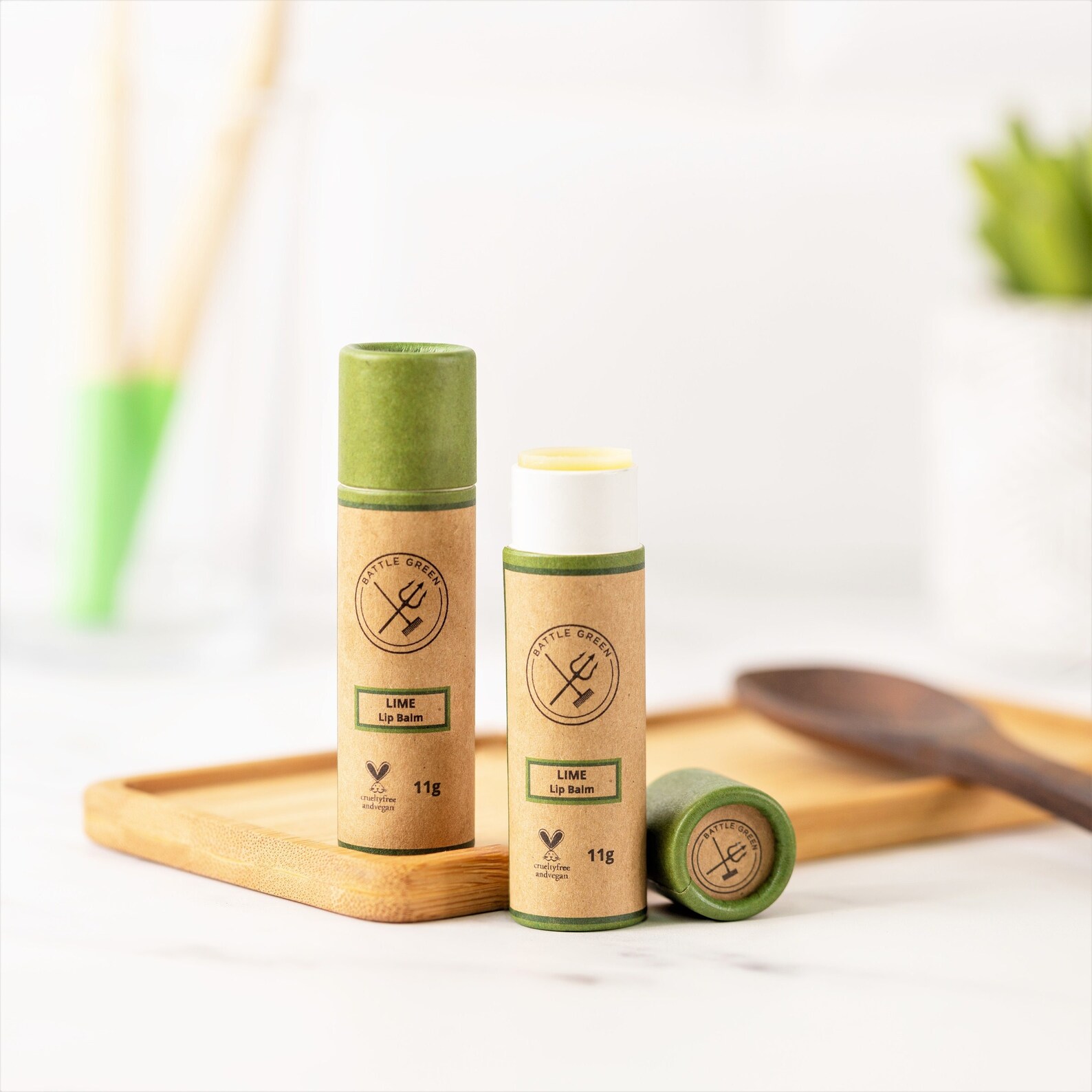
Ingredients to look for include aloe vera, shea butter, jojoba oil, and green tea extract. At the same time, try to avoid parabens, sulphates, synthetic fragrances, and microplastics.
If you experience skin issues, natural remedies can be especially supportive. For example, eczema can sometimes be soothed with natural alternatives rather than chemical-heavy treatments, and those heavy chemical options could actually worsen the issue.
Step 5: Explore DIY Skincare
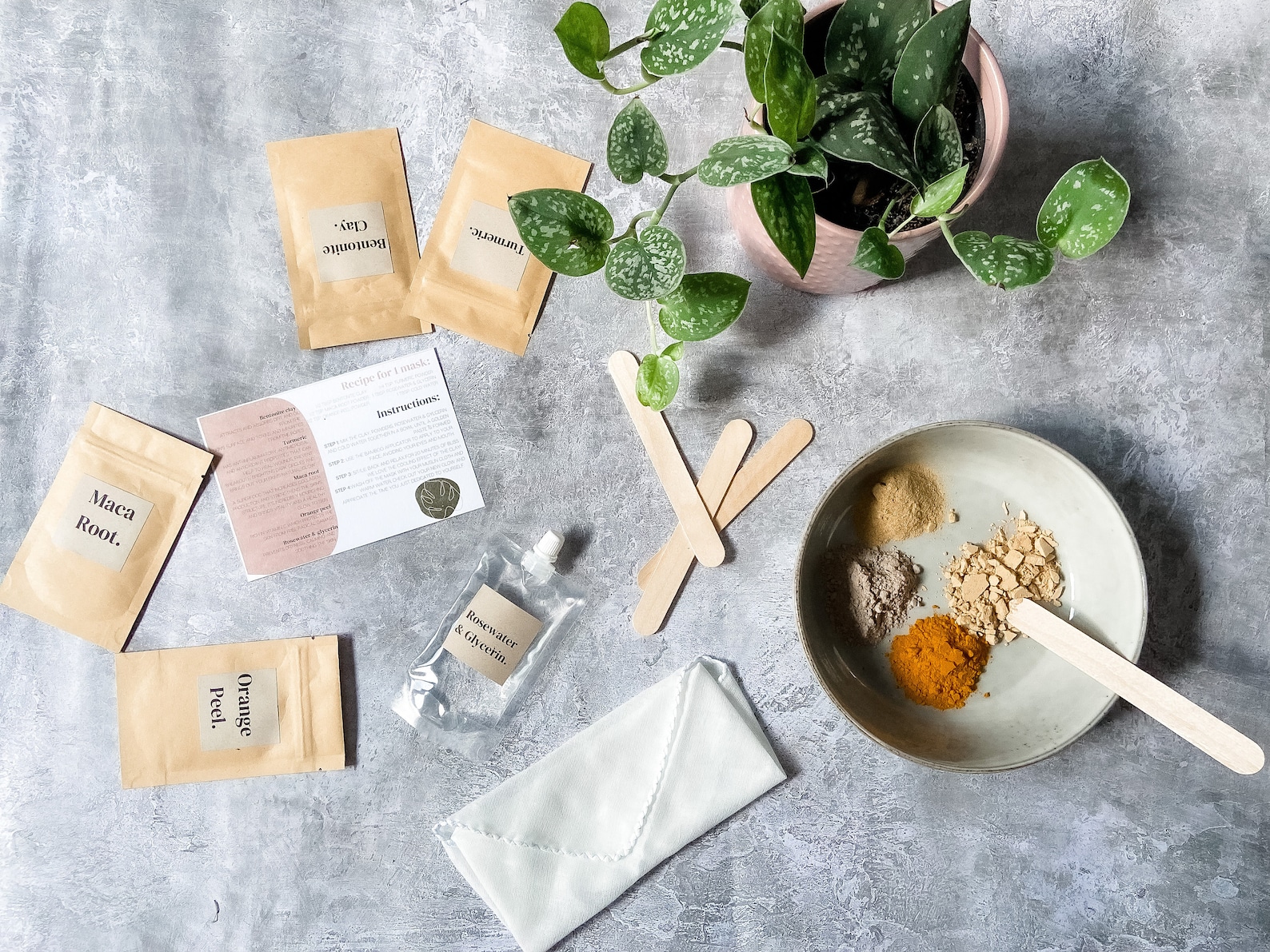
One of the most eco-friendly approaches is making skincare at home. DIY recipes reduce packaging, cut down on chemicals, and can save money. Many effective ingredients are already in the kitchen.
Some ideas include:
- Oatmeal masks for calming irritated skin
- Coconut oil as a natural body moisturiser
- Aloe vera gel to soothe burns or dryness
- Green tea toner for antioxidant support
DIY skincare also allows you to fully control what goes onto your skin. For example, making your own scrubs with coffee grounds or sugar not only repurposes waste but also avoids microbeads found in many exfoliators.
Always patch-test new recipes before applying them more widely. Over time, you may discover simple homemade treatments that become staples in your sustainable skincare routine.
Step 6: Support Ethical and Local Brands
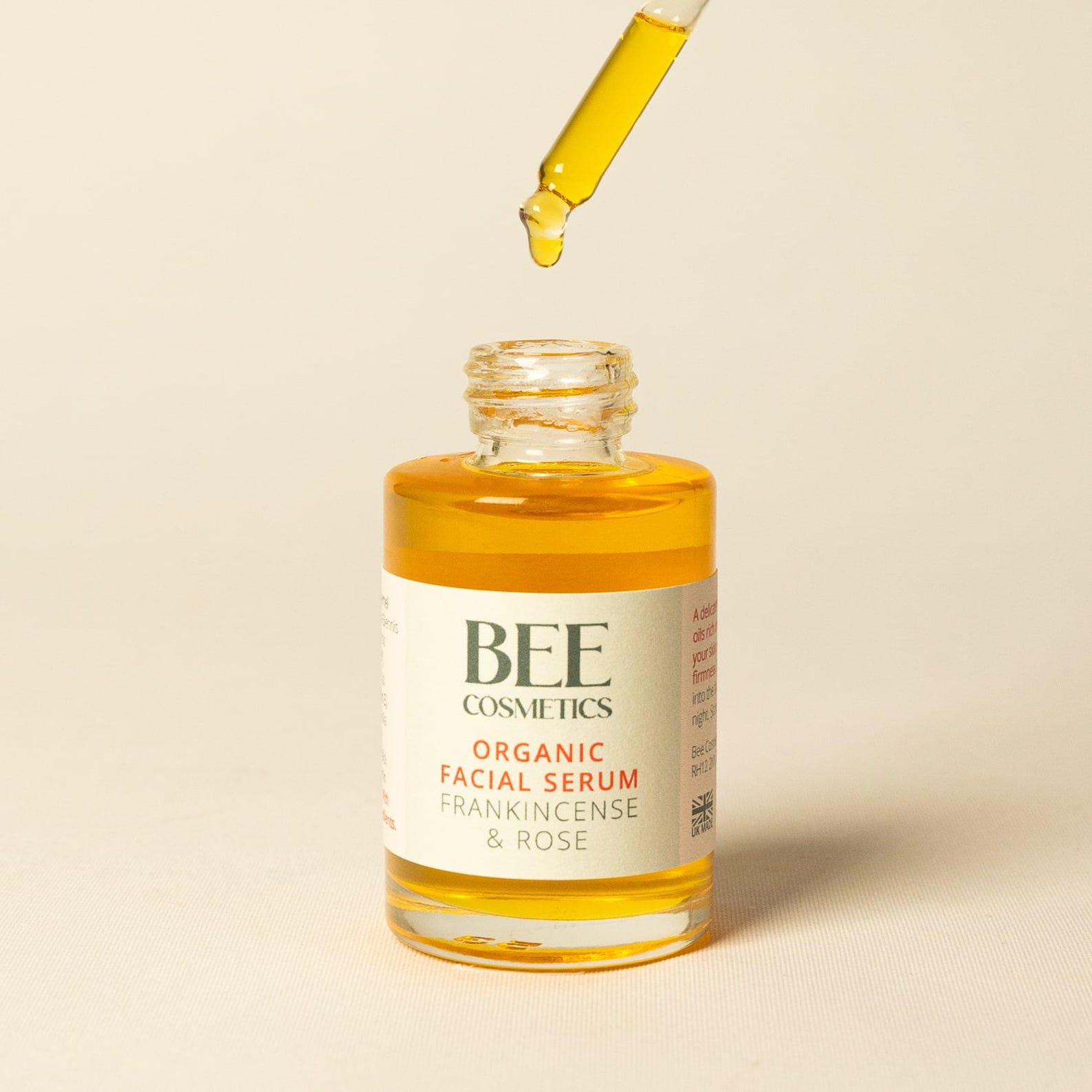
Where you spend your money matters. Supporting ethical, sustainable skincare brands encourages positive change across the industry. Smaller, local businesses often have more transparent supply chains and lower carbon footprints.
When possible, choose companies that prioritise fair trade ingredients, eco-friendly manufacturing, and community impact. For example, some brands invest in reforestation projects or donate a portion of profits to conservation initiatives.
Shopping locally not only cuts down on transport emissions but also strengthens your community economy. By aligning your skincare spend with your values, you create a ripple effect of positive change.
Step 7: Extend the Life of Your Products
Another way to make skincare sustainable is to use products fully before replacing them. It’s tempting to buy the latest releases, but sticking to what works prevents waste. Store products correctly (away from direct sunlight and extreme temperatures) to extend their shelf life.
Adopting a “finish before you buy” rule not only saves money but also reduces clutter and excess packaging. This step is simple but powerful — mindful consumption is one of the biggest shifts towards sustainability.
Common Myths About Sustainable Skincare
“It’s too expensive.” Many sustainable brands are affordable, and using fewer products often saves money.
“It’s less effective.” Natural, well-formulated skincare can be just as effective as mainstream products, especially when matched to your skin type.
“It’s inconvenient.” With more brands offering refills, glass packaging, and online ordering, it’s easier than ever to shop sustainably.
Final Word
Creating a sustainable skincare routine is about aligning your beauty habits with your values. By choosing cruelty-free products, reducing waste, simplifying routines, and exploring natural solutions, you can enjoy healthy skin while supporting a healthier planet.
Start small and replace products gradually. Over time, these small steps will build into a truly sustainable skincare routine that works for you, the environment, and future generations.
Discover more from Healthy Vix
Subscribe to get the latest posts sent to your email.
These are some really good ideas – I am trying to be more sustainable in my choices so I will definitely have to look into it for my skincare.