
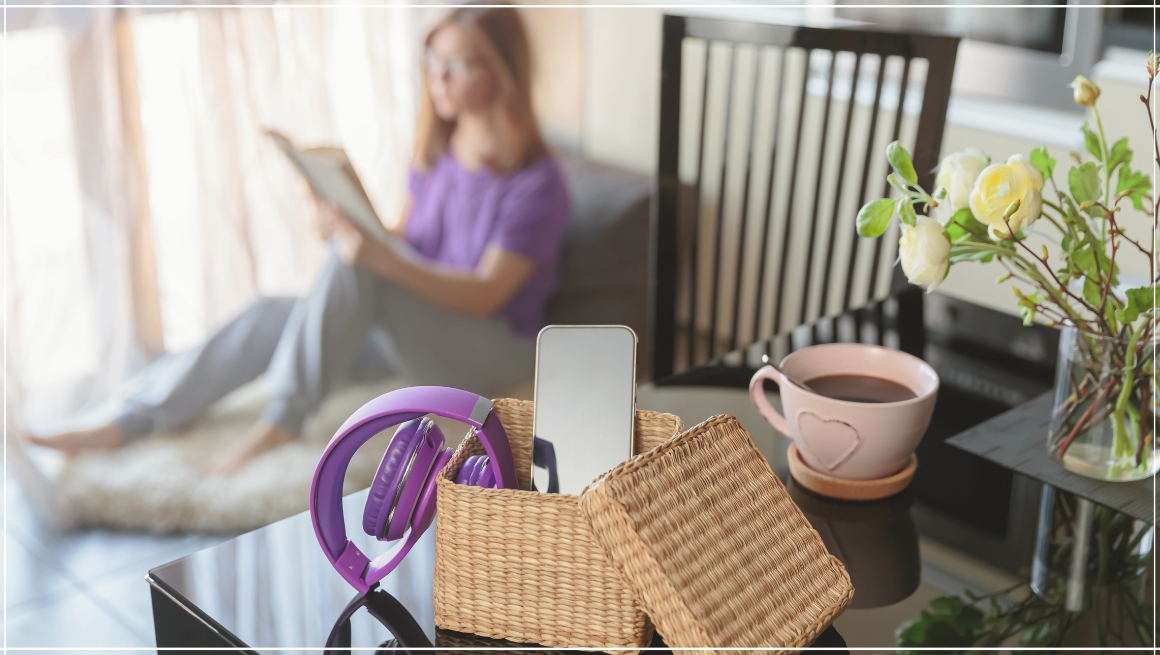
Our phones, laptops, and digital devices connect us to the world, but they also keep us tied to constant notifications, endless scrolling, and a flood of information.
While technology has its advantages, many people now spend more hours online than they do sleeping, eating, or socialising. Over time, this imbalance can take a toll on both physical and mental health.
Digital detoxing is about setting boundaries with technology so we can reclaim our time, focus, and wellbeing. A detox doesn’t have to mean giving up devices completely; it’s about using them more mindfully and making space for real-world experiences.
This article explores why a digital detox is so beneficial for mental health, and how you can take simple steps to reduce screen time without feeling deprived.
The Negative Effects of Excessive Screen Time
Too much screen time can quietly undermine wellbeing in several ways.
Sleep disruption
Blue light emitted from phones and laptops interferes with melatonin production, the hormone that helps regulate sleep. Scrolling before bed can make it harder to fall asleep and reduce sleep quality overall. Poor sleep is closely linked to irritability, poor concentration, and long-term mental health challenges such as anxiety and depression.
Check this article for How to Get a Good Night’s Sleep and Wake Up Refreshed
Stress and overwhelm
Constant alerts from emails, social media, and messaging apps create a sense of urgency. Even when the phone is silent, many people experience “phantom notifications” -— feeling like their phone buzzed when it didn’t. This state of constant vigilance increases stress levels and makes it difficult to fully relax.
Reduced focus and productivity
Switching between apps, emails, and online tasks fragments attention. Studies suggest it can take more than 20 minutes to fully refocus after being distracted. Over time, this “always on” behaviour reduces productivity and can leave people feeling mentally drained.
Impact on self-esteem
Social media is designed to encourage comparison. Constantly viewing curated images of other people’s lives can fuel insecurity, lower self-esteem, and even contribute to anxiety disorders.
The Mental Health Benefits of a Digital Detox
A digital detox can bring both immediate relief and long-lasting improvements for mental health.
Greater mental clarity
Reducing screen time gives the brain a chance to rest. Without constant pings and distractions, you can focus on one task at a time, think more clearly, and make better decisions. Many people notice their creativity improves when they step back from devices.
Reduced anxiety and stress
Turning off notifications or taking scheduled breaks from screens lowers stress levels. Instead of reacting to an endless stream of information, you create space to relax and be present in the moment. This can make a big difference to overall wellbeing, especially when combined with other approaches that naturally boost your mood.
Improved sleep and energy
Even a short detox from screens in the evening can improve sleep quality. Better rest leads to more energy, improved mood, and better resilience against daily stressors.
Stronger real-life connections
Spending less time on devices allows for more meaningful interactions with family and friends. Face-to-face conversations build emotional connection in ways that online interactions can’t fully replace.
Better self-esteem
Taking breaks from social media reduces comparison with others. This helps people appreciate their own achievements and experiences without constantly measuring them against unrealistic online standards.
Practical Tips for Reducing Digital Consumption
A digital detox doesn’t have to mean abandoning devices completely. The goal is balance and healthier habits. Here are practical ways to get started:
Set screen-free times
Choose times of the day to be completely device-free, such as during meals, in the first hour after waking, or the last hour before bed. Consistency helps establish new habits.
Use apps to limit usage
Ironically, technology itself can help reduce screen time. Many devices and apps now track usage and allow you to set daily limits for social media, gaming, or browsing.
Turn off non-essential notifications
Every ping is a demand for attention. Turning off unnecessary alerts makes it easier to focus and reduces stress.
Create no-phone zones
Designate certain spaces in your home, such as the bedroom or dining room, as device-free areas. This encourages more restful sleep and meaningful conversation.
Replace screen time with healthier habits
Instead of scrolling, try activities that support wellbeing: reading a book, going for a walk, cooking, journaling, or practising mindfulness. Small swaps add up to big improvements in mood and energy, particularly if your goal is to reduce screen time.
Try a weekend detox
If a full detox feels overwhelming, start with a short one. Choose one day at the weekend to log out of social media or leave your phone in a drawer. Many people find even this small step refreshing.
Digital Detoxing and Anxiety Relief
Anxiety is one of the most common mental health challenges today, and excessive screen use often makes it worse. Constant exposure to news headlines, online arguments, and social comparison fuels anxious thoughts.
Taking a digital detox (even a short one) gives the mind space to calm down. Instead of reacting to an endless feed, you can ground yourself in the present. Activities like mindful breathing, time in nature, or simply sitting without distraction can become easier once the digital noise is reduced.
This makes detoxing a valuable complement to other approaches like using natural remedies for anxiety.
How to Make Digital Detoxing Sustainable
Like any lifestyle change, a digital detox is most effective when it’s sustainable. Instead of a one-off break, aim to create ongoing habits that limit screen time and prioritise mental health.
- Start small: Begin with short daily breaks before moving on to longer detox periods.
- Build supportive routines: Pair device-free time with positive activities such as a morning walk or evening meditation.
- Set boundaries with work: If possible, avoid checking work emails outside of office hours. Separating work and personal time supports better mental balance.
- Reframe social media use: Instead of scrolling passively, use social platforms intentionally – for learning, inspiration, or staying in touch with loved ones.
Overcoming Common Challenges
“It’s impossible to detox – I need my phone for work.”
You don’t need to give up your phone entirely. Focus on reducing unnecessary use, like social media or endless browsing, rather than essential communication.
“I’ll miss out if I’m offline.”
Fear of missing out (FOMO) is common, but most updates are not urgent. In fact, reducing online time often leads to less stress and more rewarding real-life experiences.
“It’s too hard to break the habit.”
Like any change, it takes time. Setting clear boundaries and replacing screen time with fulfilling activities makes the process easier. Over time, the urge to constantly check your phone diminishes.
Final Word
Digital devices are powerful tools, but without boundaries, they can damage mental health. A digital detox helps restore balance by reducing stress, improving sleep, boosting focus, and strengthening real-world connections.
You don’t need to quit technology completely to see the benefits. By introducing small changes like screen-free times, no-phone zones, or short weekend detoxes, you can reclaim your time and improve wellbeing.
Over the long term, digital detoxing for mental health isn’t about restriction but about freedom: the freedom to focus, rest, and connect more deeply with the world around you.
Discover more from Healthy Vix
Subscribe to get the latest posts sent to your email.
I really need to think about doing this I am glued to my phone 24/7 and that isn’t good for me but I can’t help it!
I’m a big believer in no screens in the bedroom. I leave my phone and tablet downstairs overnight and just take my old school non-backlit Kindle to bed.
At 78 I have embraced technology with open arms. It makes my life so much easier but moderation in all things. I am quite fit and healthy for my age but do need to spend more time sitting these days but try to balance screen time with other stationary activities like reading and crafting.