

Getting a good night’s sleep is crucial for overall health and well-being. Yet, many of us struggle to get the restful sleep we need to wake up refreshed and energised.
If you find yourself tossing and turning at night or waking up feeling groggy, this guide will provide some classic advice, as well as lesser-known tips to help you achieve better sleep.
Optimise Your Diet for Better Sleep
Your diet plays a significant role in the quality of your sleep. Certain foods can promote relaxation and help you fall asleep faster.
Incorporate magnesium-rich foods like spinach, almonds, and bananas into your diet, as magnesium can help relax muscles and calm the nervous system.
Additionally, avoid consuming caffeine and sugary foods, such as chocolate, close to bedtime. Even small amounts of caffeine can disrupt your ability to fall asleep.
Limit Late-Night Eating and Drinking
While it may be tempting to indulge in a late-night snack, eating too close to bedtime can disrupt your sleep. Heavy meals can cause discomfort, and sugary snacks can lead to blood sugar spikes.
Similarly, drinking large amounts of liquid before bed can result in frequent trips to the toilet during the night.
To avoid interruptions, try to finish eating and drinking at least two hours before bedtime.

Create a Sleep-Friendly Environment
Your bedroom environment has a direct impact on your ability to fall asleep and stay asleep. To optimise your room for better sleep:
- Control lighting: Use blackout curtains or an eye mask to block out light, as darkness signals your body that it’s time to sleep.
- Reduce noise: Consider white noise machines or earplugs if you’re disturbed by sounds.
- Adjust temperature: Keep your room cool, ideally between 16°C and 18°C, as a cooler environment is more conducive to sleep.
Choose the Right Bedding and Bed
Your bed is the foundation of a good night’s sleep. Investing in high-quality bedding can make a significant difference.
Opt for breathable, hypoallergenic materials that regulate temperature and minimise allergens.
If your mattress is too firm, too soft, or simply outdated, enhance its comfort with bed toppers. A good topper can provide extra cushioning, support, and help extend the life of your mattress.
Upgrade Your Mattress and Pillows
The quality of your mattress and pillows can make or break your sleep experience. Replace your mattress every 7-10 years, or sooner if you notice sagging or discomfort.
Similarly, choose pillows that support your neck and spine in a neutral position. Memory foam and latex options can provide excellent support and comfort, helping you sleep more soundly.
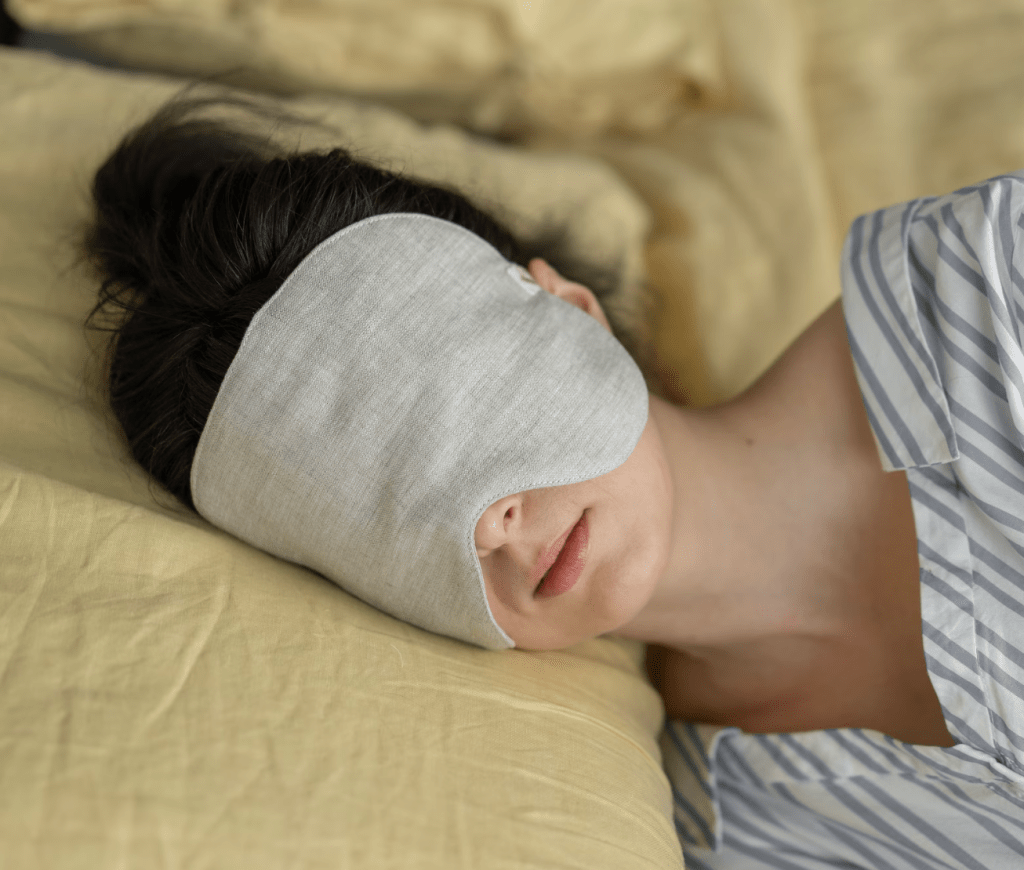
Consider Using a Sleep Mask
If you’re struggling with light pollution or simply prefer a darker environment to sleep, a sleep mask can be an effective tool. Sleep masks block out any surrounding light, helping signal to your brain that it’s time to rest.
This is especially helpful if you live in an area with streetlights or have a partner who keeps the room illuminated during the night.
When choosing a sleep mask, look for one that is comfortable and breathable, ensuring it won’t cause irritation or pressure around your eyes.
Some masks even come with added features, such as cooling or soothing properties, to enhance relaxation.
Regular use of a sleep mask can not only improve your ability to fall asleep faster but may also lead to deeper, more uninterrupted sleep.
Exercise Regularly
Engaging in regular physical activity can enhance sleep quality by reducing stress and promoting relaxation. However, the timing of your workouts matters.
Aim to finish vigorous exercise at least three hours before bedtime, as late-night workouts can increase alertness and make it harder to wind down. Instead, try light activities like yoga or stretching in the evening to prepare your body for rest.
Giving your body enough time to cool down after exercise is key, as elevated heart rate and adrenaline too close to bedtime can delay sleep.
Be Mindful of Daytime Naps
While short naps can be restorative, long or late-afternoon naps can interfere with your ability to fall asleep at night. If you do nap during the day, aim to keep it short, ideally around 20 to 30 minutes, and earlier in the afternoon.
Long naps or napping too close to bedtime can reduce your natural sleep drive, making it harder to settle at night. If you work night shifts or have irregular hours, blackout curtains and a quiet sleeping environment can help protect your sleep during daylight hours.
Sleep Schedule and Consistency
Getting into bed at roughly the same time each night and waking up at a consistent time each morning helps regulate your body’s natural sleep-wake cycle.
This consistency trains your body to recognise when it’s time to wind down, making it easier to fall asleep and wake up feeling refreshed.
If you find yourself lying awake for more than around 15 minutes, try not to force sleep. Instead, get up briefly and do something calming in low light, such as reading a few pages of a book or practising slow breathing.
Once you start to feel sleepy, return to bed. Turning sleep into a stressful goal can make it harder to drift off naturally.
Even at weekends, keeping your schedule fairly steady can make a noticeable difference to sleep quality over time.
Stick to a Consistent Bedtime Routine
A consistent bedtime routine signals your body that it’s time to wind down. Start by setting a regular sleep and wake schedule, even on weekends.
Incorporate calming activities like reading, meditating, or taking a warm bath before bed.
Avoid screens during this time, as the blue light emitted by phones, tablets, and computers can interfere with your body’s production of melatonin, the sleep hormone.
Reduce Stress and Anxiety in Your Life
Stress and anxiety are common culprits behind sleepless nights. Finding ways to manage these feelings can significantly improve your sleep.
Practices such as mindfulness, journaling, or deep-breathing exercises can help calm your mind before bed. For more comprehensive strategies, explore this guide on how to reduce stress and anxiety in your life.
It can also help to break big tasks or worries into smaller, manageable steps before bedtime. Writing a short to-do list for the next day or setting aside a specific “switch-off” time in the evening can prevent racing thoughts when you’re trying to sleep.
Even ten minutes of intentional downtime can help signal to your brain that it’s safe to rest.

Incorporate Relaxation Techniques
Relaxation techniques can prepare your body and mind for sleep. Progressive muscle relaxation, where you tense and then release each muscle group, can help relieve tension.
Listening to calming music or guided meditations can also ease you into a more restful state. Experiment with different methods to find what works best for you.
Try Aromatherapy for Better Sleep
Aromatherapy is a natural and soothing method to enhance your sleep quality. Certain scents have been shown to promote relaxation, reduce anxiety, and prepare the body for rest.
Essential oils such as lavender, chamomile, and bergamot are particularly effective in creating a calming atmosphere.
You can use aromatherapy in various ways:
- Diffusers: Place a few drops of your chosen essential oil in a diffuser to fill your bedroom with a gentle, relaxing scent.
- Pillow Sprays: Lightly spritz your pillow with an aromatherapy spray before bed to create a calming environment.
- Topical Application: Apply diluted essential oils to your pulse points or the soles of your feet, where the scent can help you unwind.
The therapeutic properties of these oils can promote deep relaxation and improve sleep quality.
For maximum benefits, consider incorporating aromatherapy into your bedtime routine and allowing the calming scents to help you drift off into a peaceful slumber.

Final Thoughts
Achieving a good night’s sleep and waking up refreshed requires a combination of healthy habits, a supportive sleep environment, and effective stress management.
By incorporating these tips into your daily routine, you’ll be well on your way to enjoying deeper, more restorative sleep.
Remember, consistency is key, so commit to these practices and allow your body the time it needs to adjust. Sweet dreams!
Discover more from Healthy Vix
Subscribe to get the latest posts sent to your email.
So helpful, going to put these to practice!