

Most people have heard of distilled water, but beyond knowing it’s “pure”, many people aren’t quite sure what it’s actually used for.
I’ve been making distilled water at home since 2018, and over the years, I’ve found more and more uses for it around the house. Some are obvious. Others genuinely surprised me.
What makes distilled water different?
Distilled water is produced by boiling water into steam, then cooling that steam so it condenses back into liquid. Everything dissolved in the original water – minerals, chemicals, contaminants – gets left behind in the boiling chamber.
The result is very pure water. Our tap water measured 220 ppm (parts per million) of dissolved substances before distilling, and just 2 ppm after. That’s not a small difference, and once you’ve seen the residue left at the bottom of the distiller after a few uses, you’ll never look at tap water quite the same way again.
That purity is exactly what makes distilled water so useful across so many different situations. When you need water without anything extra in it, distilled water is the answer.
Drinking
This is where most people start, and it’s certainly why we made the switch.
Drinking distilled water means you’re consuming water free from chlorine, fluoride, heavy metals, and whatever else happens to be lurking in your tap water. Our tap water used to have a strange smell, honestly, a bit like wet dog, and once I started looking into why, I couldn’t stop thinking about what we were actually drinking every day.
There’s a lot of noise online about whether distilled water is safe to drink, and I’ve covered this in detail in my post on whether distilled water is safe to drink.
The short version is that your body gets its minerals from food, not water, so the purity of distilled water isn’t considered a concern when you’re eating a normal, varied diet. We’ve been drinking it daily for years now and genuinely prefer the benefits distilled water offers, including the taste, which is clean and neutral, and nothing like what comes out of our tap.
Cooking
We use distilled water for cooking as well as drinking, and it’s worth doing both.
When you’re making soup, rice, pasta, or a hot drink, the water becomes part of what you’re consuming. Tap water brings its own flavour, chlorine especially, and distilled water doesn’t. Our tea tastes noticeably cleaner, and anything cooked in water tastes more like the actual ingredients rather than the water itself.
It’s one of those small changes you only appreciate once you’ve made it.
Steam irons and garment steamers
This is probably the most well-known non-drinking use for distilled water, and for good reason. Tap water contains minerals that build up inside steam irons over time, causing limescale deposits that block steam vents, reduce performance, and eventually leave white marks on clothes.
In hard water areas, especially, limescale can build up surprisingly quickly.
Most iron manufacturers actually recommend distilled or demineralised water specifically to prevent this.
Using distilled water in your iron keeps it working properly for longer and protects your clothes. It’s a simple switch that makes a real difference to the lifespan of the appliance.
Humidifiers
When tap water is used in a humidifier, the minerals in it get dispersed into the air along with the moisture.
You’ll often notice a fine white dust settling on nearby surfaces. That’s the dissolved minerals from your tap water now floating around the room.
It’s not ideal, especially if you’re using a humidifier for comfort or in a child’s bedroom.
Distilled water eliminates this problem entirely, giving you clean moisture in the air without any mineral residue.
CPAP machines
People using CPAP machines for sleep apnoea are typically advised to use distilled water in the humidifier chamber. Tap water causes mineral buildup inside the machine over time, which affects performance and can introduce contaminants into the air being breathed in during sleep.
Distilled water keeps the machine clean and running as it should, and is the standard recommendation from most CPAP manufacturers.
Car batteries and cooling systems
Older lead-acid car batteries that require topping up use distilled water rather than tap water, because the minerals in tap water can react with battery acid and reduce its performance or lifespan.
Some car cooling systems also benefit from distilled water when mixing coolant, as it helps prevent mineral deposits from building up over time.
Watering sensitive plants
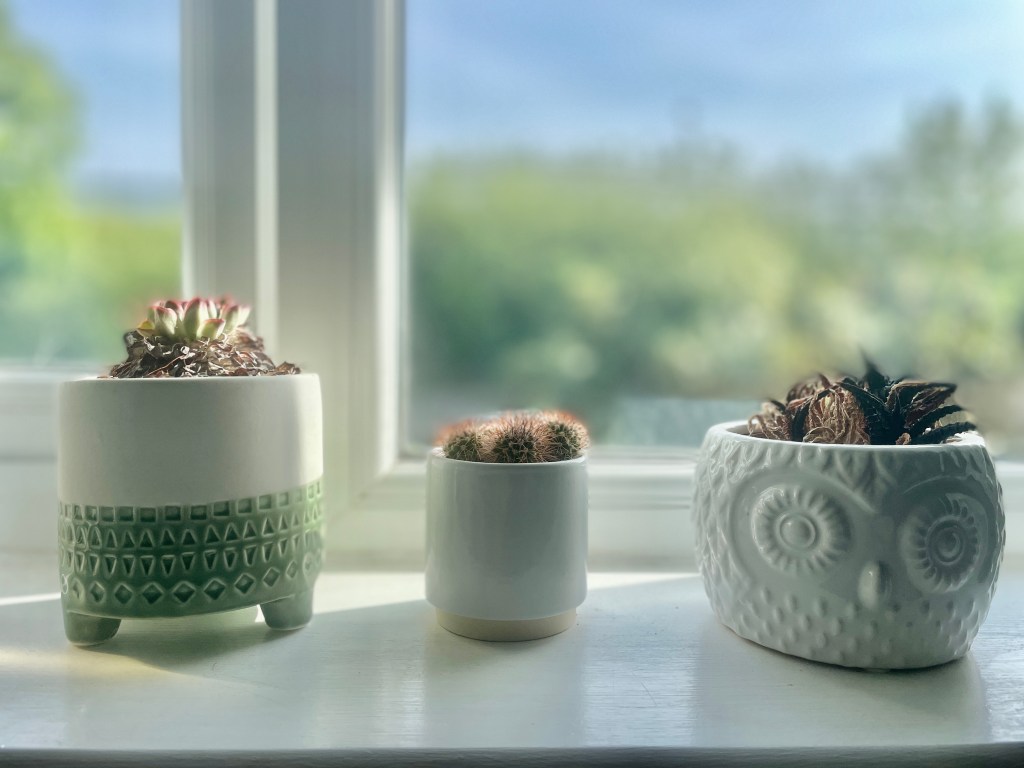
Some plants are genuinely fussy about water quality. Carnivorous plants like Venus flytraps and sundews are the most well-known example as they’ve evolved in very low-nutrient environments, and the minerals in tap water can damage or even kill them.
Distilled water is the standard recommendation for keeping them healthy.
More generally, if you notice white crusty deposits building up on houseplant soil or around the base of pots, that’s mineral buildup from tap water. Switching to distilled water for more sensitive plants can make a real difference.
Aquariums
Distilled water is sometimes used in aquariums, particularly where very specific water chemistry is needed for certain fish or plants.
Because it contains essentially no minerals, it gives you a blank slate to add exactly the right compounds for whatever you’re keeping, rather than having to work around whatever happens to be in your tap water.
It’s usually remineralised before use rather than added straight in.
Cleaning windows and glass
Distilled water is often used for cleaning glass, mirrors, and windows because it dries without leaving behind mineral spots or streaks.
In areas with hard tap water, cleaning with distilled water can give a noticeably clearer finish on shower screens, car windows, and household glass surfaces.
Filling vases and indoor water features
Distilled water can help reduce mineral buildup and cloudy residue in vases, indoor fountains, and decorative water features.
It also helps prevent white marks forming around the edges over time.
Laboratory and medical use
Distilled water has long been used in scientific and medical settings where purity is essential, from mixing solutions and cleaning equipment to use in certain medical devices.
In these contexts, contamination from minerals or chemicals could affect results or equipment performance, so distilled water is commonly used.
It’s not something most of us think about in daily life, but it’s worth knowing that the same process we use at home has serious professional applications too.
Making distilled water at home
If any of this has you thinking about trying it, making distilled water at home is much more straightforward than most people expect.
A countertop water distiller sits on your worktop, you fill it with tap water, switch it on, and a few hours later you have a jug of pure distilled water ready to use.
One batch takes around four hours and produces roughly four litres.
We use the Megahome water distiller, which has been running daily in our kitchen since 2018 and is still going strong.
You can read more about how to make distilled water at home if you want the full breakdown, and my guide on how to clean a countertop water distiller covers everything you need to know about keeping it in good shape.
Why people use distilled water for so many things
Look at all these uses together and the reason distilled water works so well across all of them is the same: purity.
Whether you’re drinking it, cooking with it, using it in an appliance, or caring for plants, the absence of minerals, chemicals, and contaminants is what makes the difference.
Tap water is treated to be safe to drink, but that doesn’t necessarily mean it’s ideal for every purpose.
Distilled water fills that gap really well. And once you start making it at home, you’ll probably find yourself using it in far more places than you expected.
Once you understand what distilled water is used for, it becomes clear why so many people choose distilled water for drinking, as well as for appliances, plants, and everyday household tasks. Its purity makes it incredibly versatile, especially in areas with hard water or strong-tasting tap water.
Discover more from Healthy Vix
Subscribe to get the latest posts sent to your email.