

Grains have sustained civilisations for centuries, but today, they are undergoing a remarkable transformation. No longer seen as just a basic carbohydrate, grain-based products are evolving to meet modern health, sustainability, and dietary needs.
From ancient grains to smart packaging, innovations in this space are improving both personal well-being and the planet’s future.
Ancient Grains: Rediscovering Nutritional Powerhouses
Ancient grains such as quinoa, amaranth, millet, sorghum, and teff have stood the test of time. Unlike modern, heavily processed grains, these nutritional powerhouses have remained largely untouched by industrial agriculture, allowing them to retain their original nutrient density.
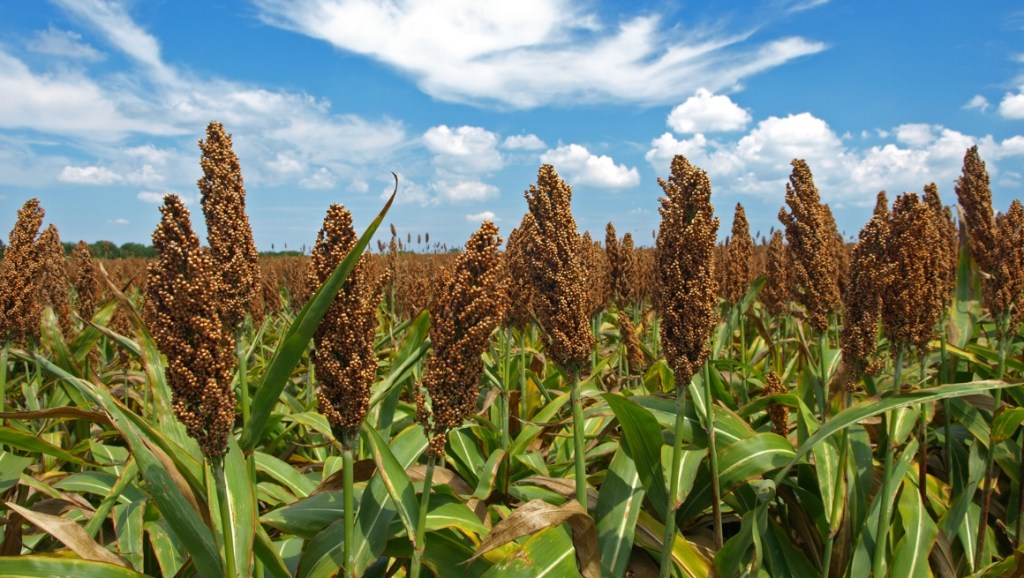
Sorghum, for example, is packed with antioxidants, iron, dietary fibre and plant-based protein. It’s also naturally gluten-free, making it ideal for people with coeliac disease or gluten intolerance. Just one cup of cooked sorghum contains approximately 22 grams of protein, making it a great addition to any plant-based diet.
Teff, a tiny grain native to Ethiopia, is rich in iron, calcium and resistant starch, which can support healthy blood sugar levels. Meanwhile, quinoa—technically a seed—acts like a grain in recipes and offers a complete protein profile, containing all nine essential amino acids.
These ancient grains thrive in harsh climates and need fewer resources to grow, making them more sustainable than many conventional crops. As part of a balanced diet, they support health while contributing to a more resilient food system.

Gluten-Free Innovations: Catering to Dietary Sensitivities
The gluten-free sector has made massive strides in recent years, moving far beyond the bland, crumbly offerings that once dominated supermarket shelves. Driven by demand and advancements in food science, manufacturers are using nutrient-rich alternatives like chickpea flour, buckwheat, brown rice flour and oats to enhance both taste and nutritional value.
Wholemeal gluten-free flours are a key innovation, retaining more fibre, protein and micronutrients than overly refined versions. Many products now include seeds such as flax and chia, adding omega-3 fatty acids and improving texture.
Affordability is improving too. Budget-friendly gluten-free items are now available at major supermarkets and health food stores, making them accessible to more consumers. Whether you’re managing a medical condition or simply exploring new foods, the range of nutritious, flavourful gluten-free options continues to grow.
Sustainable Grain Practices: Supporting the Planet
Sustainability is now central to how grains are grown, processed and packaged. A projected 70% surge in grain demand over the next 30 years is driving a shift towards regenerative farming practices that restore soil health, reduce emissions and support long-term food security.
Regenerative agriculture includes crop rotation, reduced tilling, and cover cropping, all of which enhance biodiversity and sequester carbon in the soil. Healthier soil also holds water more efficiently, which helps mitigate the impact of droughts and floods.
Forward-thinking companies are also upcycling surplus food into new grain-based products. For instance, breweries and bakeries are collaborating to reuse unsold bagels in beer production, while others are incorporating leftover grains into snacks and flour blends. These approaches not only reduce food waste but also support circular food systems.
Smart Grain Choices: Saving Money and Supporting the Environment
Making healthy food choices doesn’t have to be expensive. With a few intentional adjustments, you can nourish your body with smart grains and reduce your environmental impact at the same time:
- Buy grains in bulk: Oats, rice, barley and other pantry staples are significantly more affordable when bought in larger quantities. Storing them in airtight glass or metal containers reduces waste and keeps them fresh longer.
- Choose versatile grains: Opt for multipurpose staples like quinoa or brown rice that work in many meals. This reduces food waste and saves money.
- Avoid single-use kitchen items: Instead of disposable plastic bags or cling film, use beeswax wraps, silicone bags and reusable storage containers. These small switches help the planet and reduce long-term costs.
- Limit packaged grain meals: Pre-cooked grain-based products can be convenient, but they’re often more expensive and come with excess packaging. Cooking grains from scratch is more affordable and often more nutritious.
Sustainable living doesn’t require perfection. Small, consistent changes add up and can lead to meaningful health and environmental benefits over time.
Better Grains, Better Health
A projected 70% surge in grain demand is influencing how we grow, process and consume staple foods. This shift is encouraging manufacturers to rethink grain products, transforming everyday items like bread, crackers and cereals into vehicles for nutrition and wellness.
Today’s grain-based foods are being enhanced with functional ingredients such as:
- Omega-3 fatty acids from flax or chia seeds
- Prebiotics to promote gut health
- Plant-based proteins for satiety and muscle support
- Probiotics to support digestion and immune function
These additions help bridge nutritional gaps and meet the growing consumer demand for foods that support long-term health without sacrificing convenience or taste.
One standout plant-based protein source gaining traction is seitan, made from wheat gluten. Seitan contains about 75.2 grams of protein per 100 grams, surpassing even chicken in protein content. This makes seitan an exceptional option for those seeking dense, versatile plant proteins in their diet.

Grains and Food Sensitivities: More Inclusive Choices
In addition to gluten intolerance, many people today deal with a range of food sensitivities. Whether it’s nut allergies, trouble digesting certain fibres, or issues with additives, grain-based innovations are increasingly inclusive.
Sprouted grains are a major step forward. When grains are sprouted, enzymes are activated that begin breaking down anti-nutrients such as phytates. This process plays a crucial role in reducing phytate and making nutrients more bioavailable, especially minerals like iron and zinc.
Examples of hypoallergenic and digestible options include:
- Brown rice pasta for a mild, gluten-free alternative
- Sorghum and millet flours in baking for those avoiding wheat
- Oat and rice milk as dairy-free and nut-free beverage choices
Look for “clean label” products with fewer ingredients and no artificial preservatives. These simple formulations make it easier to avoid common triggers while supporting digestive health.
Inclusive Innovation and Smarter Food Systems
The evolution of grain-based products is not only improving health outcomes but also democratising access to better nutrition. More brands are considering affordability and accessibility when designing their products, offering healthier options without the premium price tag.
Whether it’s a cereal enriched with B vitamins, bread packed with fibre or pasta made from lentils, these smarter grains make it easier for people from all backgrounds to make nutritious choices.
The movement is also spurring innovation in global agriculture. As climate resilience becomes critical, grains like teff and sorghum are gaining traction for their adaptability and low water needs. Supporting these crops encourages more sustainable farming and a diverse global grain supply.
Final Thoughts: Choose Smarter Grains for a Healthier Future
Today’s grain-based innovations go far beyond what’s familiar. They cater to a wide range of needs — from those looking to improve their digestion and boost their protein intake, to those making sustainable, budget-friendly choices in the kitchen.
By incorporating ancient grains, choosing sprouted or fortified varieties, and storing pantry staples wisely, you can nourish your body, reduce food waste and support a more responsible food system.
These small, informed choices can have a big impact on your health, your wallet and the planet.
Checklist: Smarter Grain Habits to Try Today
- Add one new ancient grain (like teff or millet) to your weekly meals
- Store bulk grains in airtight jars to extend shelf life
- Look for “clean label” bread or cereal products
- Swap refined grains for wholegrain or sprouted options
- Try one gluten-free grain alternative like buckwheat or sorghum
- Use your air fryer or slow cooker to batch-cook grain-based meals
- Incorporate seitan or sprouted grain wraps into your plant-based meals
Before You Go…
You might also enjoy these related articles on Healthy Vix:
- Is the ‘everything in moderation’ diet a load of baloney?
- How to naturally boost your mood
- 5 simple ways to reduce waste in the kitchen
Discover more from Healthy Vix
Subscribe to get the latest posts sent to your email.