
Heavy periods can be frustrating, exhausting, and sometimes even disruptive to your daily life.
Some people choose to visit their doctor to discuss medical treatments or check for any underlying conditions, especially if heavy periods are new or seem unusual.
Others prefer over-the-counter medications, like tranexamic acid tablets from Evana, which are designed to slow the breakdown of blood clots and help reduce menstrual bleeding.
These are all perfectly acceptable approaches, and for some, they work very well.
In my case, since entering perimenopause, I’ve noticed my periods are particularly heavy on the first two days. I often need to change tampons every 1–2 hours and wear period pants as a backup, just in case.
While it’s manageable, it can stop me from doing the activities I normally enjoy, like extended gym sessions, swimming, watersports or taking long hikes (with no toilets in sight!).
Heavy periods are uncomfortable and inconvenient, especially for those of us who use natural methods and not medication. I use a variety of natural methods each month to ease the flow and reduce discomfort where I can.
So, what are some of the natural ways that might help slow heavy periods or make them easier to manage?
Read on to explore natural remedies to help ease heavy periods and their symptoms, how to manage heavy flows, possible underlying causes and tips on how to look after yourself emotionally when dealing with heavy bleeding each month.
Natural Remedies to Help with Heavy Periods
While these aren’t guaranteed solutions, many people find they help reduce bleeding or at least make periods more manageable.
Improve your diet
Your diet can influence hormone balance, inflammation, and how your body handles menstruation. A plant-based, whole food approach may naturally support your cycle:
- Eat iron-rich foods like lentils, kale, spinach, chickpeas, and pumpkin seeds to prevent iron deficiency due to blood loss.
- Include omega-3 fatty acids from walnuts, flaxseeds, and chia seeds to help reduce inflammation.
- Cut back on sugar, alcohol, and caffeine which can worsen cramps and hormone swings.
Herbal support
Some traditional herbs may help regulate flow or ease cramping:
- Vitex (chasteberry) is believed to support progesterone levels, which may reduce excessive bleeding for some.
- Shepherd’s purse has a history of use for slowing menstrual bleeding.
- Yarrow is another herb said to support the uterus and help control heavy flow.
Always consult a herbalist or check with your doctor before using herbs, especially if you’re on medication or managing other conditions.
Supportive supplements
Several vitamins and minerals may reduce the intensity of heavy periods and related symptoms:
- Magnesium helps relax the muscles of the uterus, potentially reducing cramping and intensity of flow.
- Vitamin B6 and Vitamin E have been studied for their effect on PMS symptoms and period heaviness.
- Iron supplements may not reduce bleeding, but are essential to prevent fatigue or anaemia due to blood loss.
Gentle exercise
While high-impact activity might feel too much during a heavy period, gentle movement like walking or yoga can help improve circulation and reduce bloating. It also boosts mood and eases tension.
Explore more ways to support your cycle with our guide to natural remedies for PMS relief.
How Do Natural Methods Help?
Natural remedies don’t work instantly or in the same way for everyone, but they can help by:
- Balancing hormones naturally through diet and lifestyle
- Reducing inflammation that can make periods worse
- Supporting the uterus and circulation to ease flow
- Boosting nutrient levels, especially iron, magnesium, and B vitamins
They are most effective when used consistently over time and paired with a supportive lifestyle.
With regards to vitamins, one small study published in the Iranian Journal of Medical Sciences found that Vitamin E may help reduce menstrual blood loss. In the trial, participants took 200 IU of Vitamin E twice daily from two days before their period until day three of their cycle.
After two months, those taking Vitamin E had significantly lighter bleeding compared to those on a placebo. While more research is needed, this suggests that antioxidant support from Vitamin E could help ease heavy flow for some people. Source: https://pubmed.ncbi.nlm.nih.gov/15777446/
Managing Heavy Periods When Natural Methods Aren’t Enough
If natural options don’t bring much relief, and you don’t want to opt for pharmaceutical products, there are still practical ways to manage heavy days effectively and reduce stress.
Track your cycle
Keeping a calendar or using an app helps you anticipate when your period will start and which days are heaviest. This makes it easier to plan events, activities, or travel around your cycle.
Use layered protection
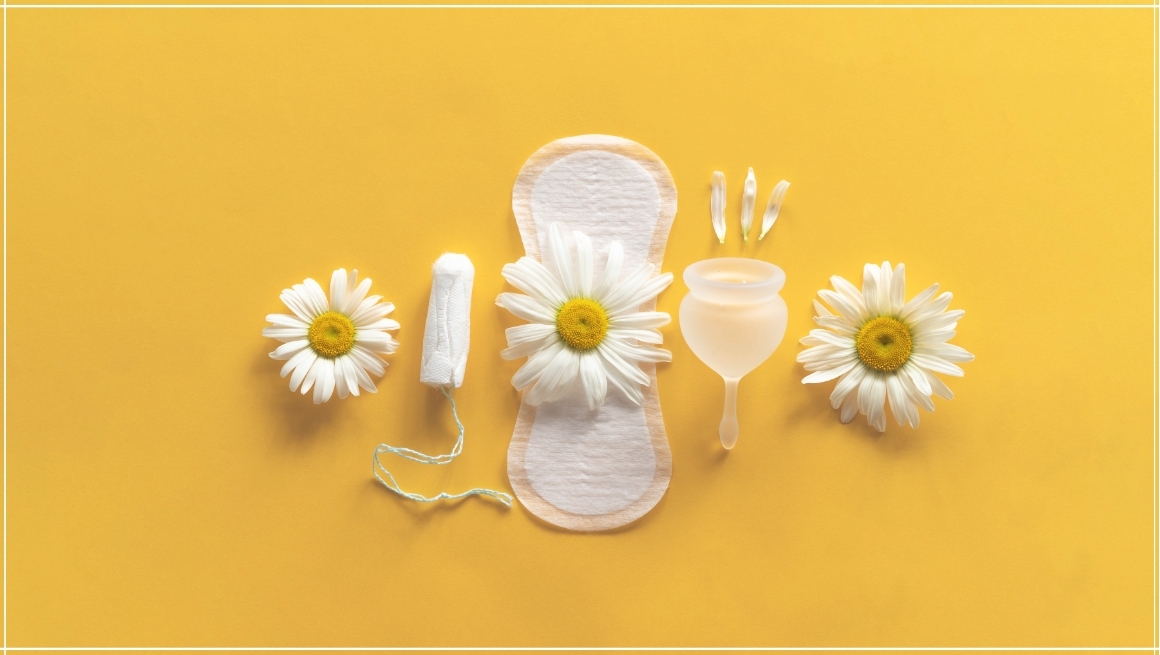
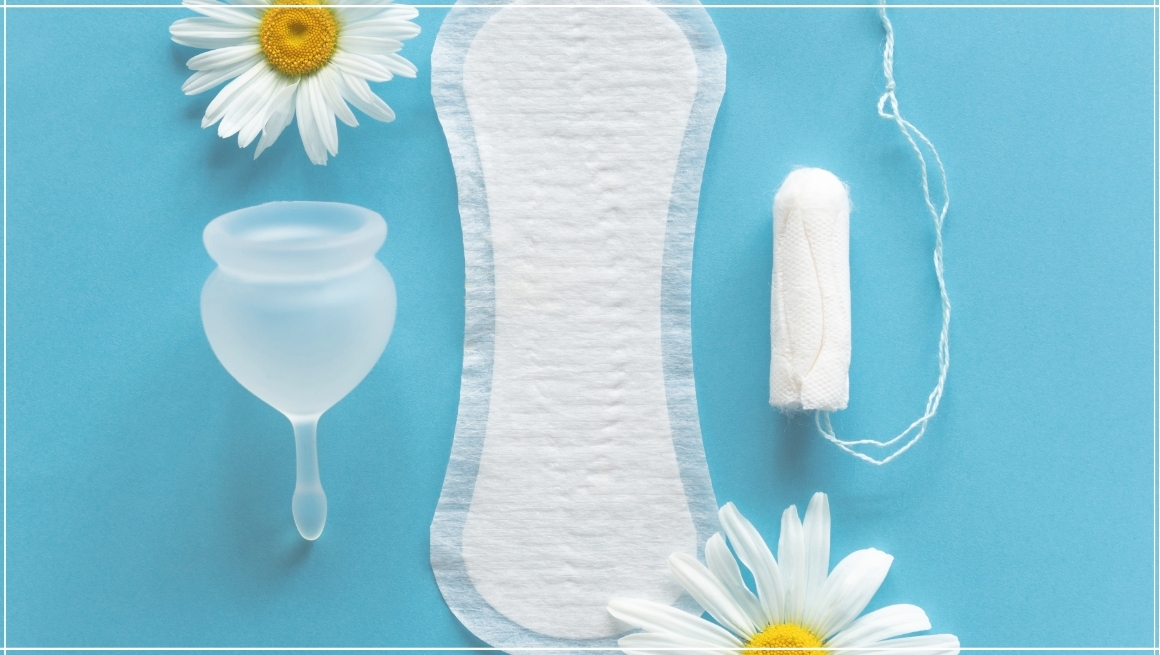
Wear a super absorbent tampon or menstrual cup, along with a pad or period pants as backup. This gives added peace of mind, especially on days when access to a toilet might be limited.
Rest and recharge
Heavy periods can make you feel sluggish. Give yourself permission to do less. Avoid over-scheduling on your heaviest days. Stay close to a bathroom and have all your essentials on hand.
Carry a period care kit
Being prepared helps prevent embarrassment or discomfort:
- Spare underwear or leggings
- Pain relief if needed
- Extra sanitary items
- Period pants as backup
This approach can help you feel more in control during heavy flow days.
Could Heavy Periods Be a Sign of a Health Issue?
If heavy periods are new, worsening, or very different from your usual pattern, you may wish to speak with a doctor. There are several health conditions that can cause or contribute to heavy bleeding:
- Uterine fibroids – non-cancerous growths in the uterus
- Endometriosis – tissue similar to the lining of the uterus grows outside it
- Polycystic ovary syndrome (PCOS) – may cause irregular or heavy periods
- Adenomyosis – uterine lining grows into the muscle wall
- Thyroid disorders – can affect menstrual regulation
- Perimenopause – hormonal shifts may lead to heavier or irregular periods
Even low iron levels can create a feedback loop: more bleeding causes low iron, which weakens the body, leading to more intense symptoms.
You may want to track symptoms and read more about my own honest PMDD and perimenopause symptoms story for comparison.
Looking After Yourself Emotionally
Dealing with heavy periods month after month can affect how you feel in your body. Take care of your mental health, not just the physical symptoms.
Allow yourself to take breaks, say no to busy days when needed, and practise self-care.
If you’re struggling with confidence, our post on how to be confident in your body might offer some helpful encouragement.
For extra support, see how natural remedies for back pain relief can ease any monthly back discomfort too.
Final Word
Heavy periods are common, but that doesn’t make them easy. Whether they’re due to perimenopause, hormone changes, or other factors, you don’t have to suffer in silence. While some people find relief through medication like Evana, others prefer to try diet changes, supplements, herbal support, or gentle routines first.
With consistency, preparation, and a bit of self-care, it’s possible to reduce the impact heavy periods have on your everyday life and feel more in control of your body again.
Discover more from Healthy Vix
Subscribe to get the latest posts sent to your email.