

College backpacks – sometimes they feel more like weighted vests than convenient carrying cases. Between hefty textbooks, gym clothes, and laptops, it’s no wonder back pain is a common complaint among students. But before you resign yourself to a lifetime of chiropractic appointments, here’s some good news: with a few tweaks to your backpack routine, you can significantly reduce your risk of pain and discomfort.
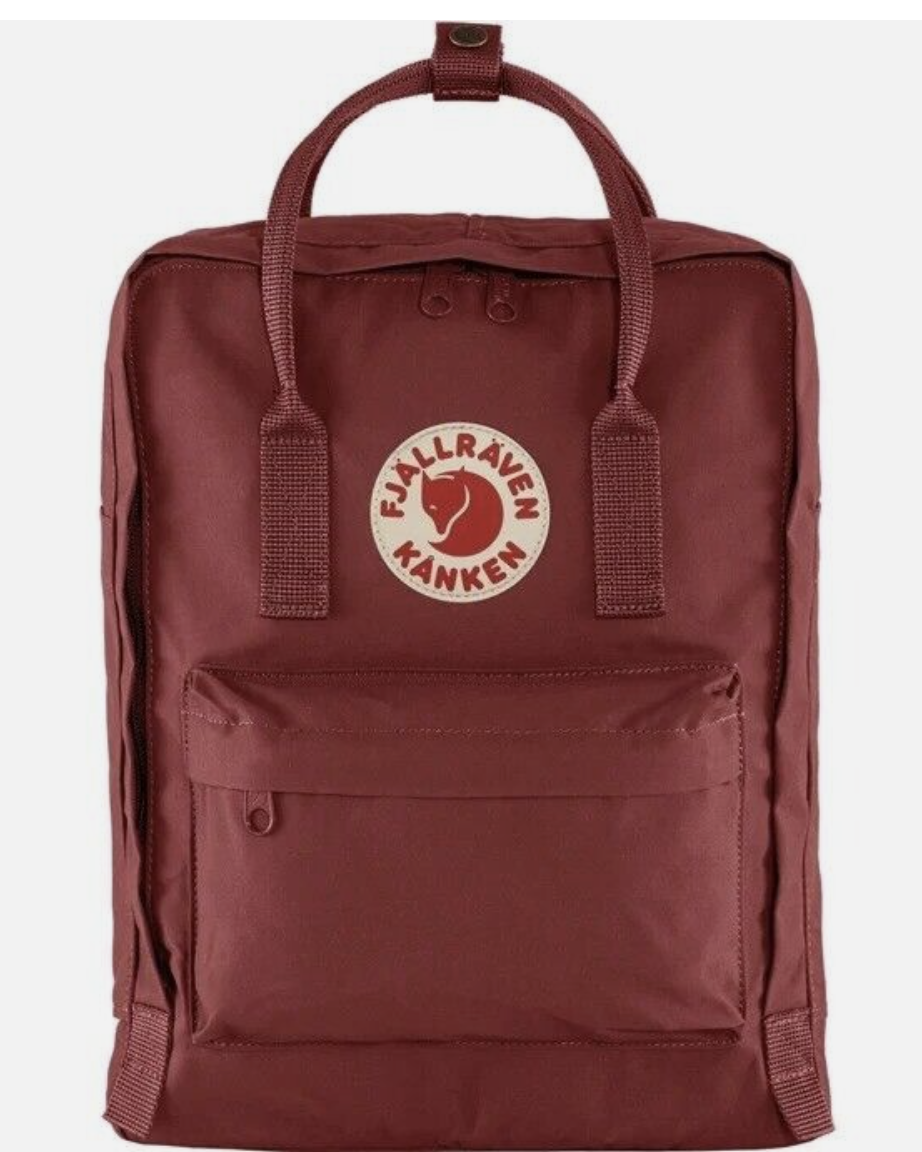
The good news is, you don’t have to choose between style and support! Today’s ergonomic backpacks come in a variety of designs to suit every taste. Many websites such as Day Owl offer trendy minimalist backpacks that are perfect for college life. These packs boast handy features like dedicated laptop pockets, but they don’t skimp on comfort. They incorporate ergonomic, hiking-inspired straps that distribute weight evenly and keep your back happy throughout the day. Backpacks with support don’t have to be boring!
Now that we’ve established you can have both style and support, let’s delve into the key features to consider when choosing the perfect backpack for your college needs:

Why Backpack Weight Matters
The human spine is designed for balance and support, but carrying a heavy backpack throws that balance off. Overloaded backpacks strain your muscles and ligaments, leading to pain in your neck, shoulders, and lower back. This strain can also lead to poor posture, which creates a domino effect of aches throughout your body. In the long run, ignoring backpack-related discomfort can contribute to more serious problems down the line.
The Right Backpack Makes All the Difference
The first step to backpack bliss is choosing the right pack for your needs. Here’s what to look for:
- Size and Fit: A backpack that’s too big or too small will throw off your center of gravity. Aim for a pack that sits comfortably on your upper back, with the bottom no lower than your waist.
- Padding: Look for a pack with padded shoulder straps and a padded back panel. This cushioning helps distribute the weight more evenly and prevents your textbooks from digging into your spine.
- Compartments: Multiple compartments allow you to organise your belongings strategically. Place the heaviest items closest to your back, with lighter items towards the front. This creates a more balanced carry.
- Waist and Chest Straps: These aren’t just for show! Utilising a waist and chest strap helps transfer the weight from your shoulders to your core, which is better equipped to handle the load.
- Style: Don’t underestimate the power of a backpack that reflects your personality! Ergonomic backpacks come in a wide variety of designs, so you can find one that’s both functional and fashionable. Look for features like clean lines, interesting textures, or pops of colour to express your unique style.
Packing Like a Pro: Strategies to Lighten Your Load
Even with the right backpack, packing smart goes a long way. Here are some tips:
- Declutter Daily: Don’t be a textbook packrat! Before heading to class, take a few minutes to remove anything you won’t need that day.
- Utilise Digital Resources: Many textbooks now have digital versions available. Consider e-readers or tablets to lighten your load.
- Talk to Your Professors: See if professors allow note-sharing or online access to course materials.
- Invest in a Locker: If your school offers lockers, utilise them to store bulky items you don’t need for every class.
Beyond the Backpack: Maintaining Good Posture
The way you carry your backpack plays a huge role in preventing pain. Here are some tips for maintaining good posture:
Stand Tall
Ditch the slouch! Slouching puts extra strain on your spine and throws off your centre of gravity. Imagine you have a string pulling the crown of your head towards the ceiling. Roll your shoulders back and down, keeping your head held high for optimal posture.
Engage Your Core
Imagine pulling your belly button inwards towards your spine. This simple action engages your core muscles, providing essential support for your back and helping you maintain good posture throughout the day.
Switch Shoulders Occasionally
It’s easy to unconsciously favour one shoulder while carrying your backpack. To distribute the weight evenly and prevent uneven strain, make a conscious effort to switch shoulders from time to time.
3 Strengthening Exercises for a Resilient Back
A strong core and upper body can significantly improve your ability to carry a backpack comfortably. Here are some simple exercises you can incorporate into your routine:
- Plank: This classic core exercise strengthens your back and abdominal muscles, improving overall posture and stability.
- Supermans: Lie flat on your stomach with arms and legs extended. Lift your chest, arms, and legs slightly off the ground, hold for a count, then lower back down.
- Arm Circles: Make small circles with your arms both forward and backwards. This helps improve shoulder mobility and flexibility.
When to Seek Professional Help
If you experience persistent back pain, numbness, or tingling sensations even after implementing these tips, it’s important to consult a doctor or physical therapist. They can help identify any underlying issues and create a personalised treatment plan.
By following these steps, you can transform your backpack from a pain-inducing burden into a convenient and comfortable companion on your college journey. Remember, taking care of your back now will reap benefits for years to come!
Discover more from Healthy Vix
Subscribe to get the latest posts sent to your email.
Very useful tips. I’ll pass this on to my husband as he often carries a heavy backpack.