
The primitive man did not have the liberty of popping Ibuprofen or Tylenol for pain; whether that’s a blessing or a curse is pretty much still up for debate. Nevertheless, a lot of people these days are on the lookout for natural ways to kick pain to the curb.
Some studies have actually concluded that herbal medicine is a lot safer than pharmaceuticals. It also helps that they can be a lot more affordable.
Regardless of the reason, going for more holistic options when it comes to painkillers and natural options for pain relief is not a bad idea. This form of alternative medicine has actually proven to be quite potent over the years and gained in popularity as people search for a more skin and body-kinder alternative to mainstream, chemical-filled pharmaceuticals.
Here are a few natural painkillers you can find readily available in nature.
Looking for natural pain relief? Try these.
1. Turmeric
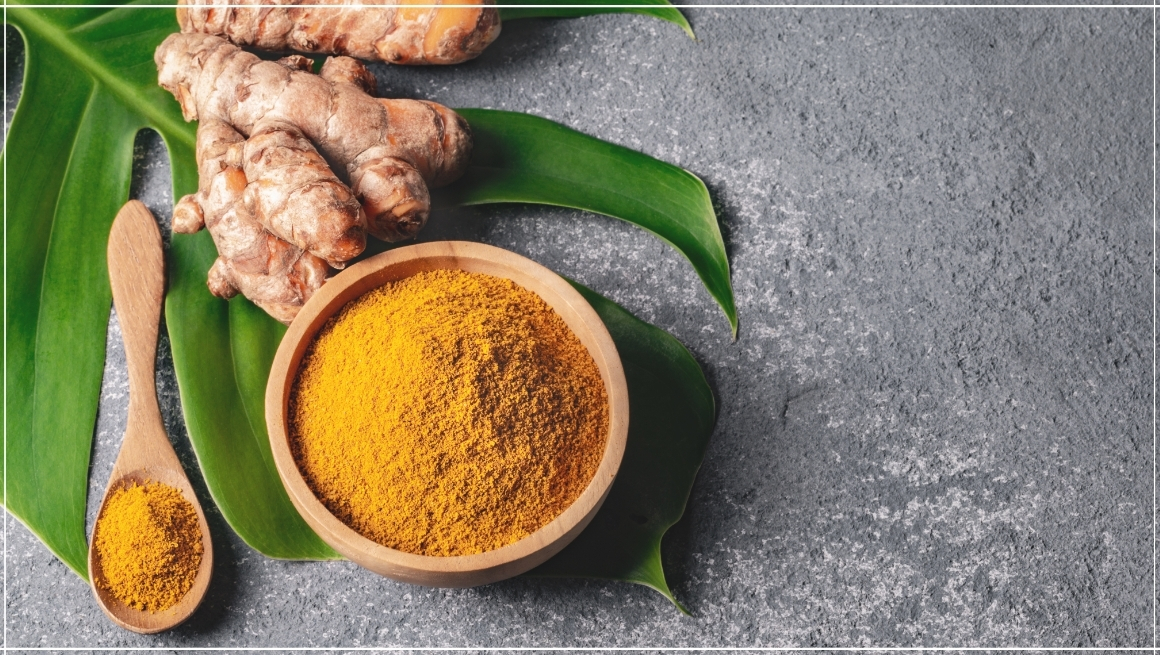
It’s not just a spice you pick from a grocery store shelf, the turmeric root has a range of uses and pain relief is one of them.
The component of turmeric that does all the heavy lifting when it comes to pain relief is curcumin. As far as anti-inflammatory substances you can use, this is by far one of the safest out there.
So, if you are worried about the side effects of mainstream painkillers, then start adding turmeric to your diet, but consider supplements too for the best effect.
Note that, curcumin constitutes 5% or less of the turmeric root, so you should opt for a turmeric supplement instead.
You can easily buy supplements of natural, organic turmeric from many online retailers or in health food stores in vegan capsules.
“Curcumin, an active compound in turmeric, is known for its antioxidant and anti-inflammatory activity that can promote healing… studies have found that turmeric may have pain-reducing power equal in some cases to that of prescription and over-the-counter medications.” Source
You can also use turmeric in cooking — sprinkle it into curries, soups or golden milk. For better absorption, combine it with black pepper and a healthy fat like coconut oil.

2. CBD
This controversial herb has landed itself on this list thanks to its pain management capabilities.
For the most part, this is not fresh news, especially since people have started raving about the health benefits of CBD.
A lot of people are thrown off by the fact that CBD is related to cannabis. But the fact is, CBD does not have the mind-altering properties of THC, so that should be reason enough to go for these popular wellness supplements for a high-quality product that might effectively reduce any pain you are experiencing.
CBD is available in oils, capsules, gummies and even topical creams. Start with a low dose and increase slowly if needed. Look for organic, third-party tested products for quality.
3. Cloves
This aromatic spice is a lot more than a great way to take your dessert game to the next level. It’s equally a very potent natural pain reliever.
In fact, for a long time, cloves were used in most households as a toothache remedy!
The true extent of its pain-relieving capabilities is not yet fully understood. Researchers actually speculate that it’s loaded with anti-inflammatory, anti-oxidant, anti-viral, and even anti-fungal properties.
You can chew on whole cloves for quick toothache relief — just be careful not to bite down. Clove oil is also effective when dabbed on sore gums or joints, but always dilute it with a carrier oil.
Cloves can be used as a topical pain reliever, added to your diet or taken as a supplement.
“Cloves may help ease nausea and treat colds. They may also help relieve the pain associated with headaches, arthritic inflammation, and toothaches. Cloves can also be used as part of a topical pain reliever. One study suggested that cloves could be used to treat fungal infections, but further research is needed.” Source
4. Ginger
If you recently started at the gym and hate having to brave through the soreness, ginger is a great remedy. It’s also incredibly accessible, so that’s a big plus if you are looking for alternative pain relief options.
The ginger root also works wonders on inflammations. You can incorporate it into your teas and broths or simply opt for supplements. Either way, you’ll get a good natural dose of a potent pain reliever.
One thing to note when taking supplements is that they can clash with any other medication you are on. So, check in with your doctor before you head out to buy some.
Drinking ginger tea daily can ease chronic pain over time. Grate fresh ginger into hot water with lemon, or take it in capsule form for a more concentrated effect.
“Research also suggests that regularly eating ginger can help relieve certain pain that comes with rheumatoid arthritis and osteoarthritis… Another study found that ginger was just as effective as a common triptan medication used to treat many types of migraine headaches.” Source
Nature is a wonderful thing and provides everything we need, even natural pain relief!
5. Willow Bark
Often referred to as nature’s aspirin, willow bark has been used for centuries to treat pain and inflammation. It contains salicin, which is a chemical similar to the active ingredient in aspirin. It’s a go-to herbal remedy for conditions like lower back pain, headaches, and osteoarthritis.
Willow bark can be brewed into a tea or taken as a supplement. It’s considered one of the strongest natural pain relievers available and is a great choice for people seeking a more organic pain relief option without resorting to synthetic tablets.
Just like aspirin, it can thin the blood, so be cautious if you’re on blood-thinning medication.
6. Cherries
When looking for a natural pain killer fruit, cherries – especially tart cherries – are a surprising contender. They contain anthocyanins, which have anti-inflammatory properties and are thought to help reduce muscle soreness, joint pain, and even symptoms of arthritis.
Drinking tart cherry juice regularly or simply eating a handful of cherries each day could help reduce inflammation naturally and aid muscle recovery after workouts. They may also improve sleep, which plays a big role in how we manage pain.
7. Capsaicin (Chilli Pepper)
Chilli peppers might sound like the opposite of pain relief, but the active compound capsaicin actually works to reduce pain signals when used topically. That’s why it’s often found in natural pain relief creams and patches.
Capsaicin reduces a chemical in the body that sends pain messages to the brain. Over time, it can lessen chronic pain, especially for those with nerve, joint, or back pain.
Try a natural pain relief cream with capsaicin as a key ingredient for targeted relief without relying on synthetic medication.
8. Boswellia
Also known as Indian frankincense, Boswellia is another herbal remedy widely used for its anti-inflammatory benefits. It’s particularly effective for chronic conditions such as osteoarthritis, rheumatoid arthritis, and inflammatory bowel diseases.
Boswellia works by blocking leukotrienes – compounds that cause inflammation. You can take it in capsule form or as a topical cream.
It’s one of the best options if you’re seeking organic pain relief that’s gentle on the stomach compared to traditional painkillers.
Final Word
Nature really does provide an impressive toolkit for managing pain naturally. Whether you’re dealing with sore muscles, headaches, arthritis, or inflammation, there’s likely a plant-based remedy to support your recovery.
If you’re asking what is the best natural pain reliever, the answer will vary depending on the type of pain and how your body responds. From turmeric and CBD to ginger, cherries, and willow bark, you can build a more natural pain relief routine without relying solely on pharmaceuticals.
Always speak to a healthcare professional before starting any new supplement or herbal remedy, especially if you take prescribed medication. But with the right approach, you can tap into natural painkillers to manage discomfort in a more holistic way.

Discover more from Healthy Vix
Subscribe to get the latest posts sent to your email.