

Remote work is more popular than ever, with more professionals choosing flexible work arrangements to improve their work-life balance. Whether you’re switching to full-time remote work or starting a home-based business, making the transition to working from home successfully requires planning and the right mindset.
Without a structured office environment, distractions can creep in, and productivity may drop. However, with the right setup, routine, and tools, you can create a work-from-home lifestyle that supports efficiency, well-being, and job satisfaction.
Here are seven essential tips to help you transition smoothly and stress-free into remote working.
1. Set Up a Dedicated Home Office Space
Creating a dedicated workspace is one of the most important steps when moving to remote work. A well-designed home office can improve focus, productivity, and overall job satisfaction.
Here’s what to consider:
- Find a quiet spot – Ideally, a separate room or a space away from household distractions.
- Use an ergonomic setup – A comfortable chair, a height-adjustable desk, and proper lighting will make a difference.
- Ensure good natural light – Natural light boosts mood and reduces eye strain.
- Minimise noise – If you can’t have a separate room, noise-cancelling headphones can help.
- Keep it clutter-free – A tidy space helps maintain focus and reduces stress.
Even if you have limited space, a designated desk with essential equipment can create a productive work environment.

2. Establish a Consistent Work Routine
One of the biggest challenges of working remotely is maintaining a structured work schedule. Without a daily commute or office hours, it’s easy to let work time and personal time blend together.
Here’s how to create a routine that works:
- Set fixed working hours – Stick to a start and end time to maintain work-life balance.
- Schedule regular breaks – Step away from your desk to reset your focus.
- Use a to-do list or planner – Prioritising tasks can improve productivity.
- Create a morning routine – A structured start to the day signals to your brain that it’s time to work.
- Set boundaries – Let family members or housemates know when you’re working to avoid interruptions.
A well-planned routine can boost productivity and prevent burnout.
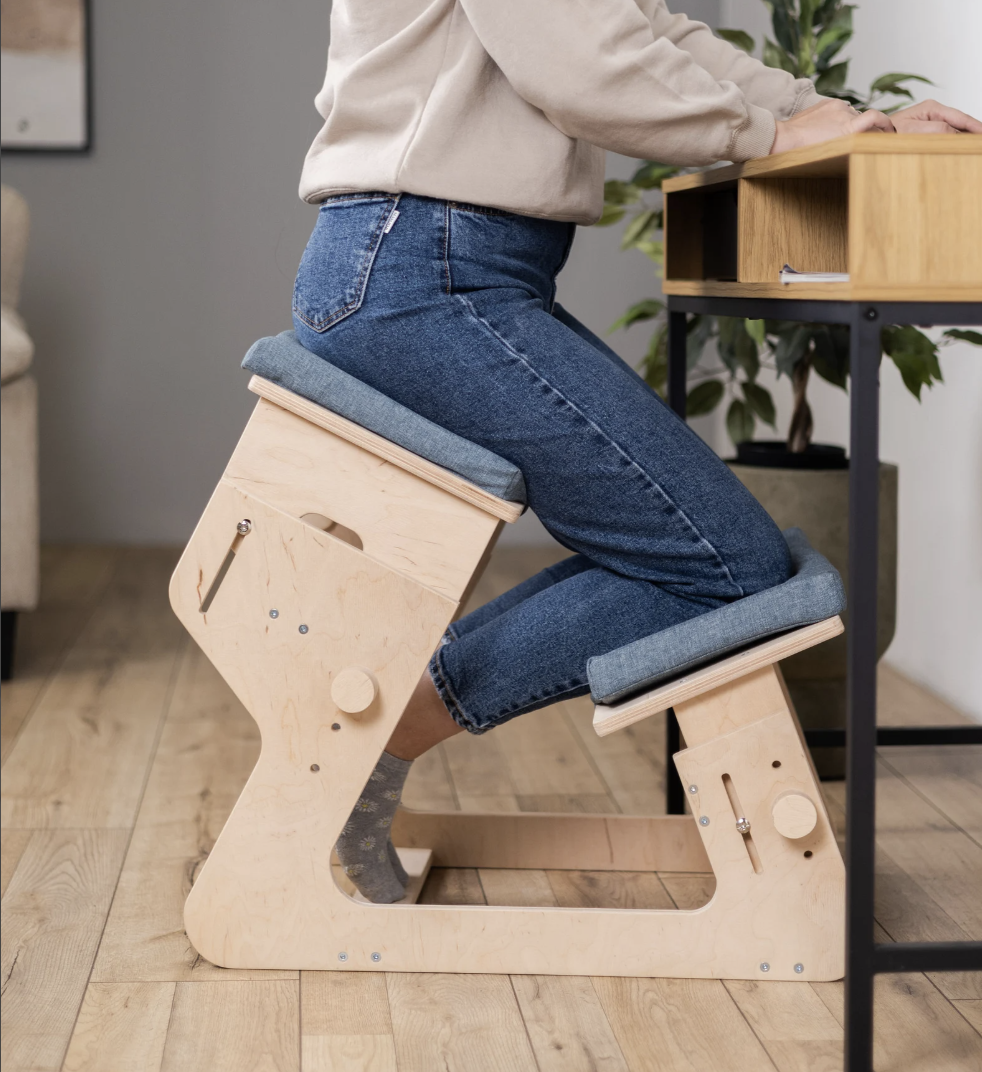
3. Invest in Ergonomic Furniture for Comfort and Health
Sitting in the wrong chair or working from the sofa can lead to poor posture, back pain, and reduced concentration. Investing in the right furniture will help maintain long-term health while working from home.
Consider these ergonomic essentials:
- An adjustable office chair – Supports posture and reduces strain.
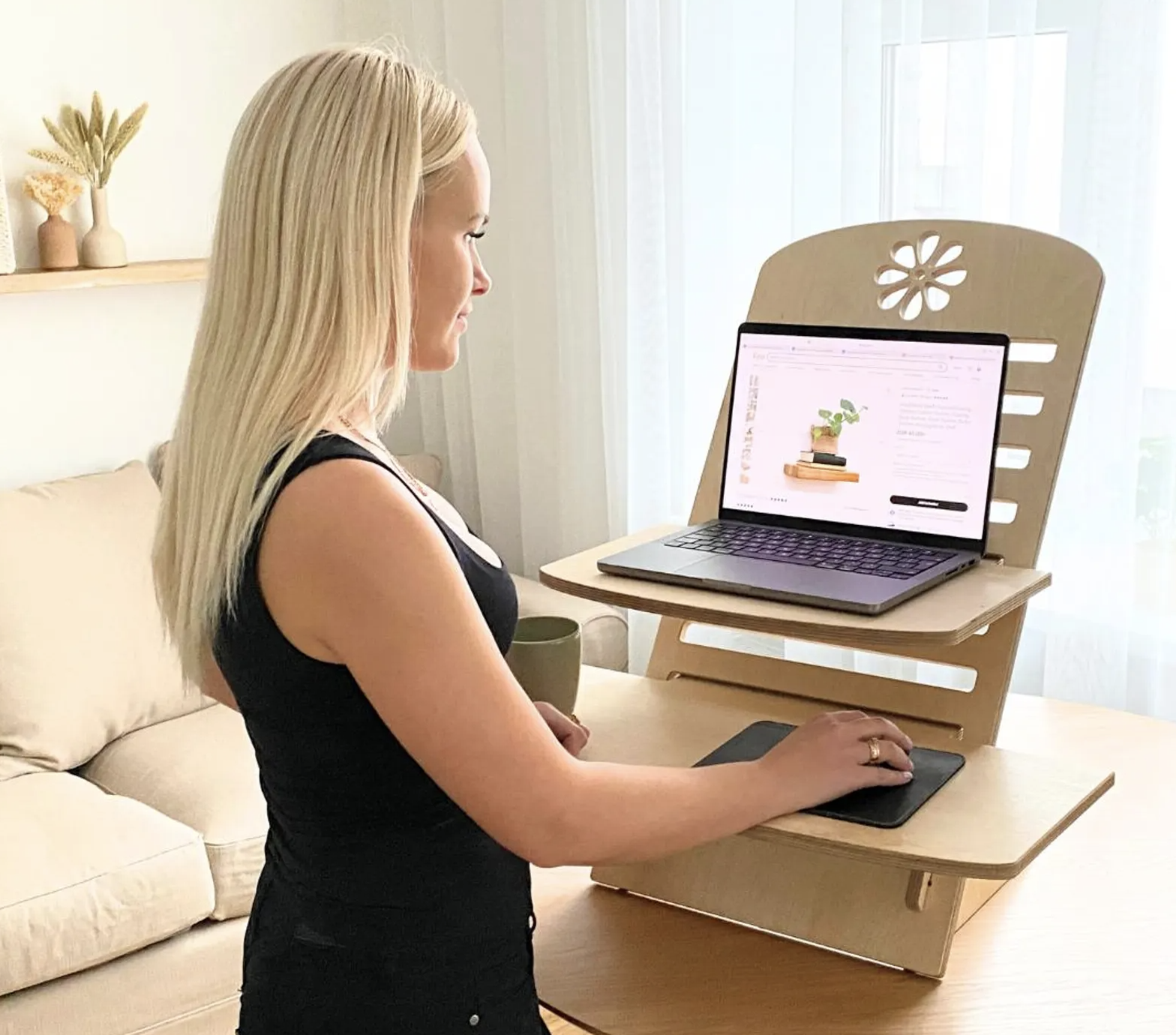
- A sit-stand desk – Alternating between sitting and standing improves circulation.
- A laptop stand and external keyboard – Keeps the screen at eye level for better posture.
- Proper lighting – Reduce eye strain with adequate desk lighting.
Comfortable, supportive furniture helps prevent long-term health issues and improves work performance.
4. Use the Right Technology for a Seamless Workflow
Remote work relies on technology, so having the right tools is essential for efficiency and communication.
Must-have work-from-home tech includes:
- A reliable laptop or desktop – Ensure it meets the demands of your job.
- High-speed internet – Slow internet can disrupt video calls and reduce productivity.
- A noise-cancelling headset – Ideal for clear communication on calls.
- Project management tools – Apps like Trello, Asana, or ClickUp help track tasks.
- Communication platforms – Slack, Microsoft Teams, or Zoom keep teams connected.
Regular software updates and cybersecurity measures will also help keep your work secure and efficient.
5. Stay Connected and Avoid Remote Work Isolation
One downside of remote work is the potential for loneliness. Without in-person interactions, it’s easy to feel disconnected from colleagues and the outside world.
Ways to stay socially connected while working from home:
- Schedule virtual meetings – Regular video calls keep you engaged with colleagues.
- Join online communities – Industry groups and forums can help you stay connected.
- Work from a co-working space or café – A change of environment can help combat loneliness.
- Attend networking events – Online and in-person networking keeps you connected in your field.
- Make time for socialising – Regular meet-ups with friends can prevent isolation.
Building connections and maintaining social interaction can improve job satisfaction and mental well-being.

6. Stay Productive and Avoid Work-From-Home Distractions
Distractions at home can be a major productivity challenge. Whether it’s household chores, social media, or unexpected interruptions, maintaining focus is key to remote work success.
Boost productivity with these strategies:
- Use the Pomodoro technique – Work in focused intervals (e.g., 25 minutes) with short breaks.
- Block distractions – Use website blockers or apps like Freedom to limit distractions.
- Create a to-do list – A daily task list keeps you organised.
- Stick to deadlines – Self-imposed deadlines can keep you on track.
- Dress for work – Getting out of pyjamas can put you in a professional mindset.
Implementing these techniques can help you work efficiently while maintaining flexibility.
7. Expect a Learning Curve and Be Adaptable
Transitioning to remote work is a big adjustment. It may take time to find the right work-life balance and productivity strategies that suit you.
Be prepared for:
- Trial and error – Experiment with different routines and setups to find what works best.
- Time management challenges – Learn how to prioritise tasks effectively.
- Self-motivation struggles – Stay disciplined with structured goals and accountability.
- Changing work dynamics – Remote collaboration may feel different from office interactions.
Give yourself time to adapt and make changes as needed to create a sustainable work-from-home lifestyle.
Final Thoughts
Working from home offers flexibility, convenience, and a better work-life balance, but it also requires planning, discipline, and the right tools. By creating a dedicated workspace, establishing a structured routine, investing in ergonomic furniture, and staying connected, you can make your transition to remote work a success and stress-free.
Whether you’re new to remote work or looking to improve your current setup, these tips will help you stay productive, comfortable, and engaged in your career.
Work-From-Home Checklist
✔ Set up a dedicated home office
✔ Create a consistent work schedule
✔ Invest in ergonomic furniture for comfort
✔ Use the right tech and software
✔ Stay connected to avoid loneliness
✔ Minimise distractions and improve productivity
✔ Be adaptable and open to learning
Discover more from Healthy Vix
Subscribe to get the latest posts sent to your email.
Great advice, I especially like the point that it may take experimentation to find out what works, and that’s ok.
Lots of great tips!
Bear in mind that if you are working from home in an ‘office-based’ role that you are now in a global employment market, where your employer could pay someone in South Africa, for example, to undertake the same role from home, for a lower salary. Also, when you lose that direct in-person social interaction with colleagues, you fail to find about what is happening on the grapevine, you also don’t build up the same networking with other people in different areas of the same company to broaden your knowledge, such as you might get from car-sharing for your commute, or using employment based amenities such as a gym or restaurant, if provided. And the only real pandemic has been that of mind control, utilising methods that Aldous Huxley described more than sixty years ago in ‘Brave New World Revisited’.