
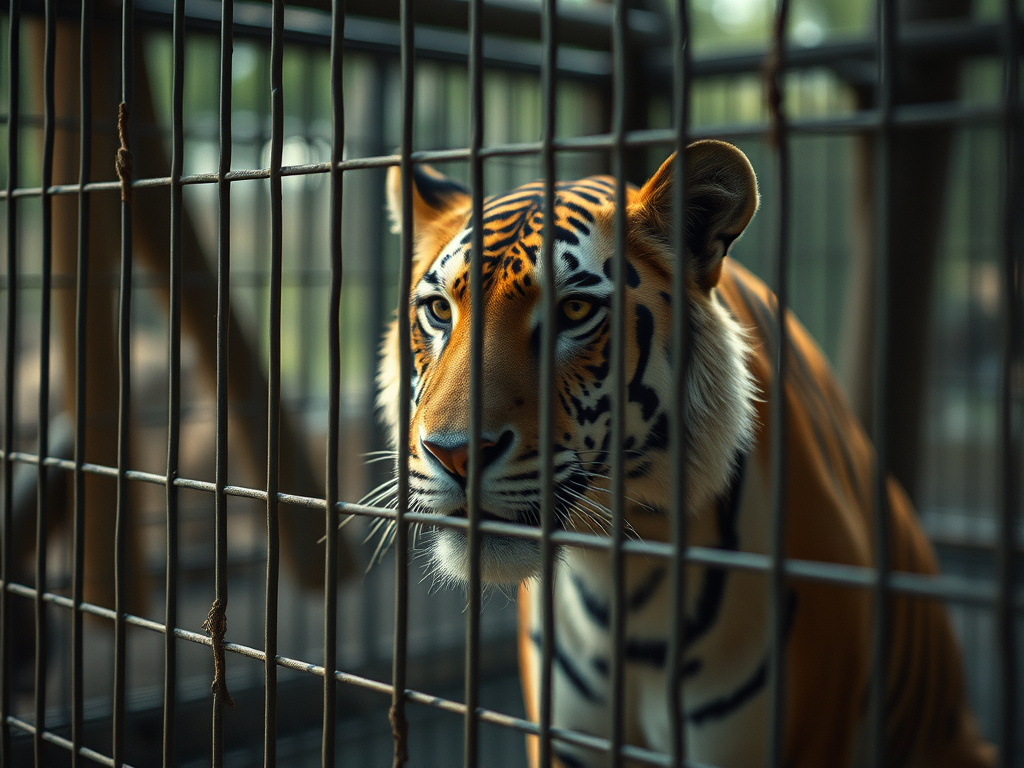
For many years, my family and I cherished our visits to wildlife parks, especially Cotswold Wildlife Park. We considered it one of the best spots for animal lovers due to its spacious outdoor enclosures feeling less like a zoo, and it being a fun family day out with our children. Its commitment to conservation and the opportunity to observe various species up close made it a favourite destination. However, my perspective has shifted over time, prompting me to ask: Are zoos ethical? Is Cotswold Wildlife Park ethical? Are any wildlife parks ethical?
While I used to enjoy our regular trips to this park, my views on zoos and wildlife parks have evolved, leading me to question their ethical implications. We have now stopped visiting this animal park, as well as any others. Even my children have opted to miss out on school trips to zoos as they are not comfortable with the idea of seeing animals in cages.
As my awareness of animal rights has grown, I’ve become increasingly uncomfortable with the idea of any wildlife park or zoo keeping animals in captivity. Now, we no longer visit zoos and do our best to avoid theme parks where animals are the main focus, as we no longer wish to support animals in captivity with our money. We no longer wish to encourage businesses to keep animals in confinement as a form of entertainment.
So how have my feelings changed when I used to love visiting places such as Cotswold Wildlife Park so much? And why do I no longer wish to support zoos or animal wildlife parks? Read on to find out more about this ethical dilemma.
But What About The Conservation Efforts of Zoos and Wildlife Parks?
Don’t get me wrong, many wildlife parks and zoos support a lot of good causes. They participate in breeding programmes for endangered species, support global habitat conservation projects, and offer educational programmes to raise awareness about wildlife. But at what cost? How do they raise the funds to support these efforts? Through captivity of animals and continuing to breed these animals into captivity as entertainment for paying customers to come and see them? It’s definitely an ethical conundrum. Wouldn’t animal lovers prefer for their beloved animals to be wild and free, to live their lives as nature intended? Don’t we wish for our own freedom as humans on this planet? Therefore, shouldn’t animals have the same rights? In fact, animals should be even more free than humans, as animals are not bound by the laws and rules of a human society.
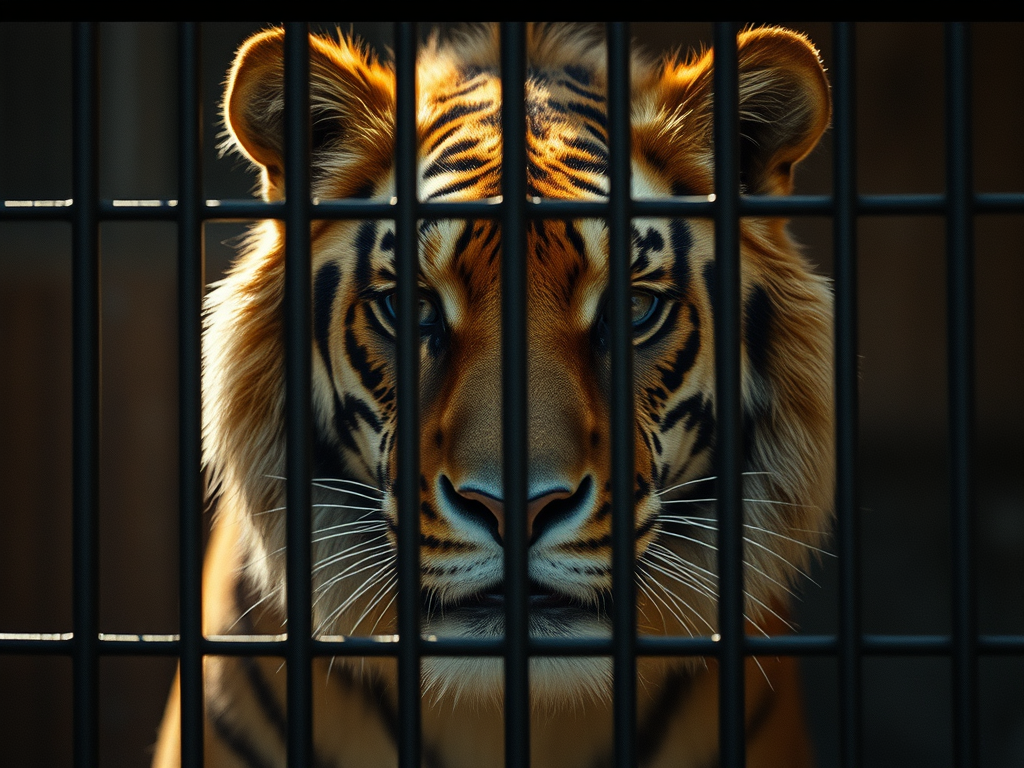
A Change of Heart: Why I Can No Longer Support Zoos and Animal Imprisonment
Despite my past enjoyment, I can no longer support any zoo or wildlife park. My discomfort has grown, especially when it comes to the confinement of animals. I used to be more accepting of wildlife parks, thinking they provided more space for animals than traditional zoos. But as I’ve adopted a vegan lifestyle and become more aware of animal rights, I’ve realised that I can’t ignore the ethical implications any longer.
I’ve always felt uneasy about small cages in zoos, particularly in reptile exhibits where it seems the animals don’t have enough room to move around. The same goes for aquariums, where it often feels like the animals are living in a bubble. They should be free in the big cast ocean.
Free Willy in particular is a favourite childhood movie of mine! Everyone who watches the movie is rooting for Willy to escape and be free in the wild.
I’ve always felt sorry for the animals, since I was a child, and felt like they should be free. But somehow I used to think the larger enclosures were acceptable, but really, they’re not.
The more I reflect on this, the more I resonate with the saying that goes something like, “zoos are prisons for animals who haven’t done anything wrong.” That statement really struck a chord with me and has shifted my viewpoint. Zoos are like prisons for animals! We actually live near a zoo now, one I have never been to since I now disagree with them, however as we walk past it regularly from our home, along the alleyways that run alongside it, we often see some of the captive animals. In particular, we see a white owl often, trapped in an enclosure which seems so sad to us and our children. An owl that can never fly through the night sky, an owl that can barely fly at all as its enclosure is simply too small for it to spread its wings and fly around. It doesn’t seem right. It actually seems very cruel.
The Ethical Dilemma of Zoos and Wildlife Parks
Animals deserve to be wild and free, thriving in their natural habitats. It’s heartbreaking to think of creatures being kept in a country they’re not even native to, locked in cages while hundreds of people stare at them each day. Can any zoo or wildlife park truly be ethical when they profit from the confinement of animals? As these animals breed within these zoos, their offspring become confined too. They never live a natural, free and wildlife. Unless they ever release them? Is that a thing? Do zoos release the bred animals into the wild. I doubt it… I expect popular wild animals having babies is a massive money-maker for zoos and wildlife parks and visitors want to see the cute babes. And that in itself would be an ethical dilemma again, separating the babies from their mums.
Anyway, while zoos and wildlife parks may have great goals, I can’t overlook the fact that the majority of these places operate as businesses. Their business’ survival depends on making a profit, and they make a profit by engaging animals for paying visitors to look at. And, if we’re being honest, that can compromise the well-being of the animals they house who could be much better off in the wild, in their true natural habitats.
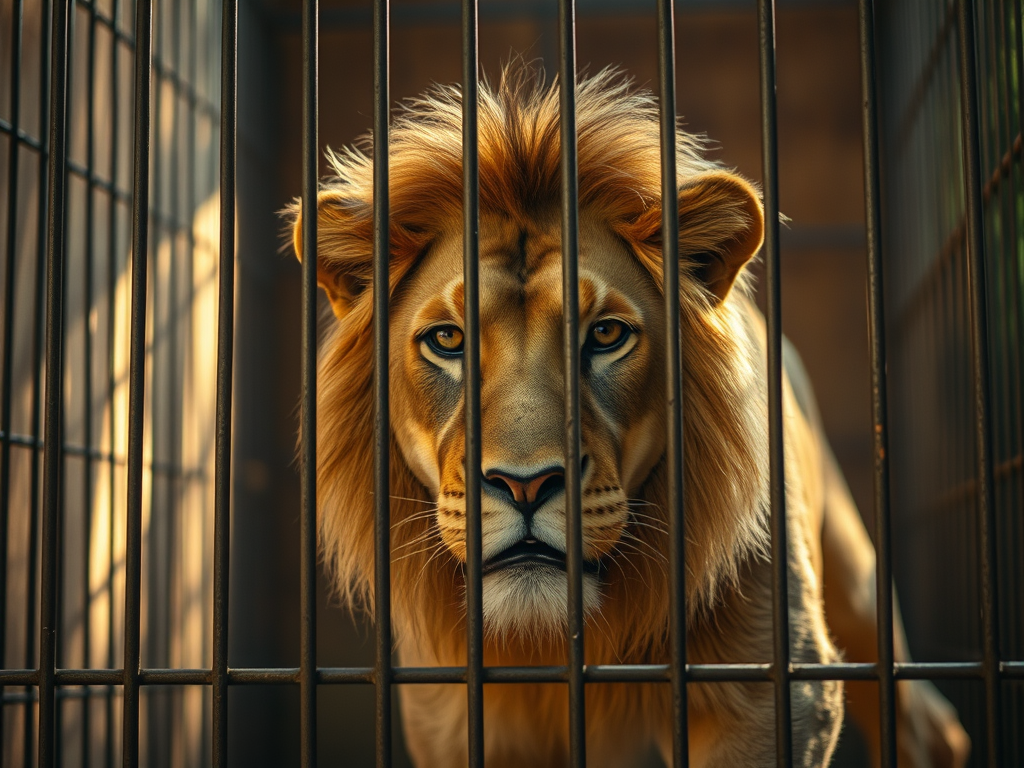
Choosing to Support Sanctuaries Instead
So, because of all this, I’m leaning towards supporting true sanctuaries instead. These are facilities that rescue animals and, when possible, rehabilitate them to return to their natural environments. I understand that’s not always feasible, but it’s crucial that sanctuaries provide the best care possible, ensuring the animals live fulfilling lives.
I get that many people feel differently about zoos and wildlife parks. Some argue that they play an important role in conservation and education. However, for me, the ethical concerns are just too significant to ignore. I’d prefer the animals to be wild and free, as nature intended, not locked up and restricted.
Are Zoos Ethical? What is the Alternative to Visiting a Zoo?
Ultimately, I can’t see how any zoo or wildlife park can be truly ethical. My journey has taken me to a place where I prefer animals living freely in their natural habitats or where they choose to come and go as they please.
If you like to visit animals, then sanctuaries may be a better option, focusing on rescue and rehabilitation instead of profit. They can provide a lifeline for animals, allowing them to live more natural lives, even if complete rehabilitation isn’t always possible. It’s crucial that we choose to support these places over traditional zoos.
If anything, visit animals in their natural habitats. I live by the ocean and can regularly see seals, dolphins, porpoises, jellyfish, crabs and more. As well as many wild birds at local rivers, fish and eels. We visit the friendliest squirrels at places like Tehidy Woods in Cornwall. Create a natural habitat in your garden to encourage wildlife to visit. We have bug houses, bee houses, bird houses, butterfly houses, plenty of flowers and bushes for butterflies and birds to visit or make homes in, as well as a pond that attracts frogs, toads, newts, dragonflies and damselflies. Get outdoors into nature and see the animals in their chosen environments where they are free to roam, leave and come as they please. Choose travel to see wildlife in the wild where it is supposed to be.
I encourage everyone to reflect on their own feelings about animal captivity. By choosing to back ethical alternatives, we can help create a world where animals are treated with the dignity and respect they deserve. Together, let’s work towards a future where wildlife can thrive in their natural environments, free from confinement. It’s time to align our values with our actions and ensure that all creatures can live as nature intended.
Discover more from Healthy Vix
Subscribe to get the latest posts sent to your email.