
Most of us assume air pollution is just an outdoor problem, but the air inside your home may be a greater concern. If you find yourself feeling consistently sluggish at home or waking up with a runny nose, your indoor air quality (IAQ) might be worth evaluating.
Thankfully, you don’t need expensive equipment to make a notable improvement to your IAQ. With a few simple approaches, you can ensure that your home environment is healthy.
What’s Actually In Your Indoor Air?
Unsplash link: https://unsplash.com/photos/man-and-woman-on-kitchen-O7sK3d3TPWQ
The air in our homes is often contaminated by surprising amounts of pollutants from unsuspecting sources. The two main categories worth understanding are chemical pollutants and biological pollutants, such as mold.
Chemical pollutants include volatile organic compounds (VOCs), which are gases emitted by products such as paint and even furniture. Formaldehyde from wood components, carbon monoxide from gas stoves and radon seeping through foundation cracks are common culprits. These are particularly challenging to address as they are difficult to spot with our senses.
Mold is a biological pollutant that thrives in humid, poorly ventilated spaces, such as basements. It releases tiny spores into the air that, when breathed regularly, can cause respiratory harm. The risks are exacerbated for those with preexisting lung conditions like asthma.
Both types of pollutant can build up unnoticed over time, especially in well-sealed, energy-efficient homes where fresh air doesn’t circulate as freely.
How Poor IAQ Affects Your Health
In the short term, compromised air quality causes various discomforts, including headaches, fatigue and throat irritation. If you’re noticing a consistent pattern of waking up and going through your morning routine with these symptoms, but instantly feeling better the moment you step out of your home, it’s a clear indicator that your IAQ needs improvement.
Over the long term, regular exposure to chemical pollutants and mold spores can contribute to more serious issues, including chronic respiratory conditions and worsened allergy symptoms. Children, older adults, and anyone with existing heart or lung conditions are especially sensitive.
How to Get Cleaner Air at Home
Unsplash link: https://unsplash.com/photos/green-plant-in-white-ceramic-pot-8ZELrodSvTc
Below are some easy, cost-effective and highly productive ways to reduce air pollutants in your home.
1. Prioritize Ventilation
Regularly ventilating your home is one of the simplest and most effective ways to improve IAQ. Simply opening your windows and doors for a few minutes a day helps flush pollutants out of your home and introduces fresh air. This is especially important in areas that are regularly exposed to moisture after use, such as kitchens and bathrooms. In these environments, exhaust fans are also helpful.
If you live somewhere where outdoor air quality is a concern during wildfire season or high-pollen days, you can lean on mechanical ventilation. HVAC systems do much more than make living spaces warmer or colder. Well-maintained units efficiently filter airborne particles and keep air moving through your home. Changing your HVAC filter every one to three months, depending on usage, is a simple strategy for improving IAQ by removing trapped pollen, dust and pet hair.
2. Swap Out Toxic Cleaning Products for Natural Alternatives
Many conventional cleaning products contain VOCs that linger in the air long after those scrubbing sessions. The same goes for synthetic air fresheners, which add chemicals to your air without actually addressing the underlying odor.
Switching to fragrance-free or plant-based cleaning products is an easy and cost-effective upgrade. A mixture of white vinegar and baking soda helps handle household cleaning jobs without all the chemical pollutants. Instead of plug-in air fresheners, you can improve ventilation or place a small bowl of baking soda near the source to absorb odors naturally.
3. Add Some Greenery
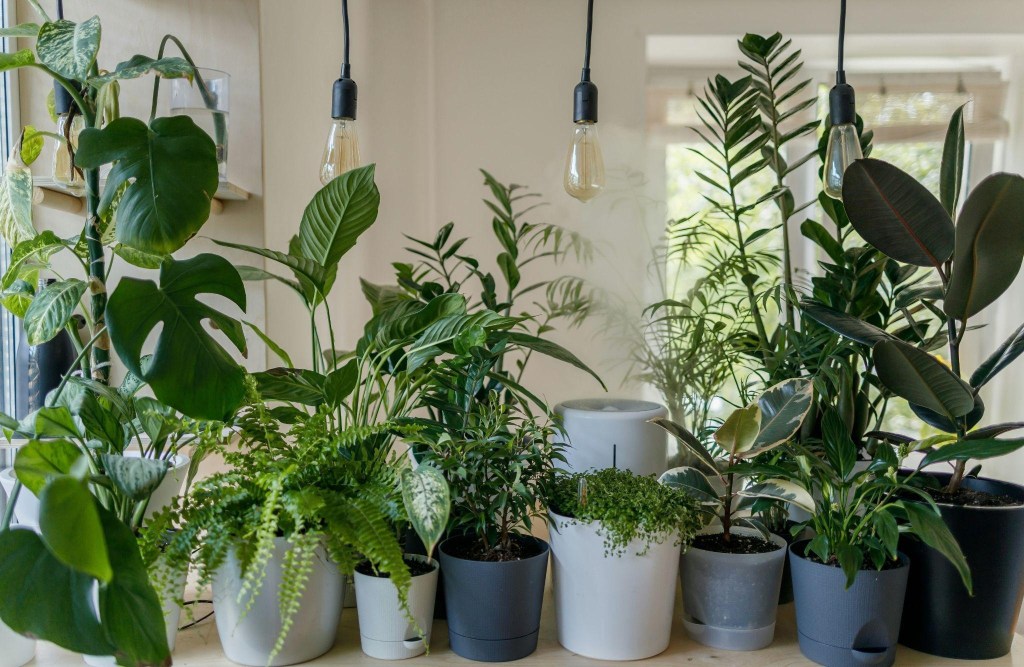
If you’re looking to increase visual appeal while enhancing IAQ, introducing some plants into your home can help you achieve both. Varieties like the snake plant are known for their air-purifying properties, as they can absorb pollutants.
Additionally, ferns suck up excess moisture from the air and reduce mold growth, making them a strategic, low-maintenance and beautiful addition to bathrooms. While houseplants aren’t necessarily a miracle cure for poor air quality, they can serve as a small, pleasant complement to your efforts.
4. Keep Things Clean and Dust-Free
Dust contains VOCs that have settled out of the air, contributing to poor air quality. Vacuuming with a HEPA filter at least once a week and washing bedding regularly are simple ways to significantly reduce the volume of particles circulating in your home.
Pay attention to spots that are easy to overlook. Ceiling fan blades, air vents, spaces underneath couches and the tops of shelves all collect dust that gets kicked back into the air whenever a fan turns on.
A Few Tweaks Go a Long Way
Drastically improving your home’s air quality doesn’t require an entire overhaul. By understanding the simple steps you can take to reduce harmful air pollutants, you can ensure that your family’s living environment is comfortable and protective. Taking charge of your indoor air is an empowering and impactful way to improve your quality of life. These small changes prove that a healthier, more comfortable home is easily within reach without a significant investment.
Discover more from Healthy Vix
Subscribe to get the latest posts sent to your email.