

Creating a healthy home environment is one of the most important things you can do for your family’s wellbeing. A safe, clean, and calming space helps everyone feel more relaxed and energised.
It also supports better sleep, reduces stress, and creates an environment where both children and adults can thrive.
From the air you breathe to the furniture you choose, small changes can make a big difference. In this guide, we’ll explore practical ways to create a healthy home for kids and adults alike.
Prioritise Clean Indoor Air
The air quality inside your home has a direct effect on health. Poor ventilation and hidden pollutants can lead to respiratory issues, fatigue, and allergies.
Simple steps to improve air quality include:
- Opening windows daily to let fresh air circulate.
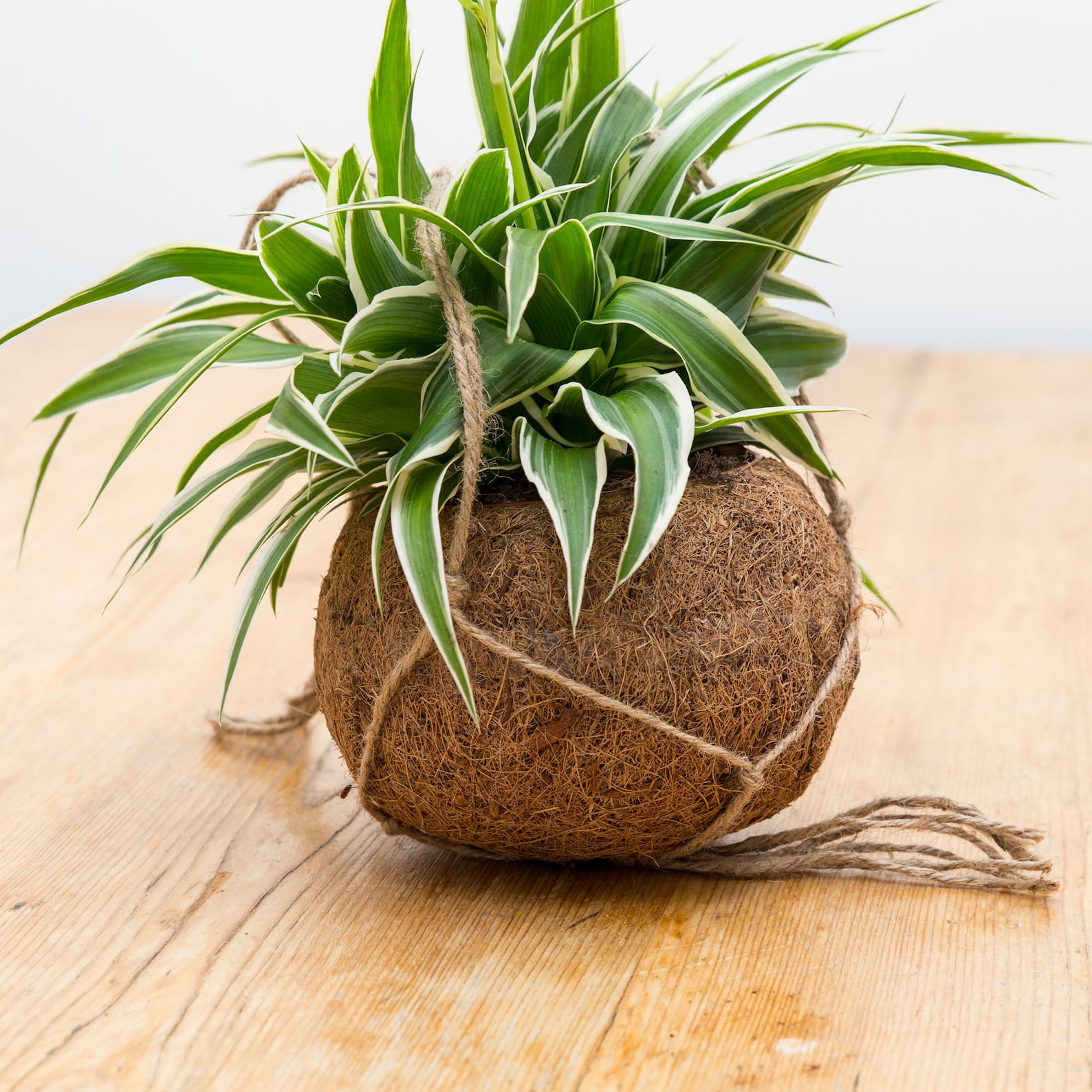
- Using houseplants such as peace lilies or spider plants, which naturally filter toxins.
- Vacuuming and dusting regularly to reduce allergens.
- Avoiding chemical air fresheners and using essential oil diffusers instead.
Cleaner air supports better breathing, improved concentration, and fewer headaches. Families should also be mindful of ways to reduce allergens in the family home, such as using mattress protectors and washing bedding weekly at higher temperatures. A cleaner, more ordered space can also help improve focus and energy.
Non-Toxic Home Tips When You Have Kids
Many everyday products contain chemicals that can affect your family’s wellbeing. Cleaning sprays, candles, and even some paints release toxins into the air.
Swap these for safer alternatives:
- Use natural cleaning products like vinegar, baking soda, and lemon juice.
- Choose non-toxic paint and furniture finishes.
- Replace paraffin candles with soy versions.
- Store food in glass containers rather than plastic to reduce exposure to BPA.
These small adjustments help create a healthier, low-toxin environment. Making simple eco-friendly swaps, such as eco-friendly home improvements, not only benefits health but also supports sustainability.

Keep the Home Organised and Clutter-Free
A cluttered home can feel stressful and overwhelming, especially when children are involved. Clutter makes cleaning harder and can even increase dust levels.
Encourage an organised space by:
- Decluttering regularly and donating unused items.
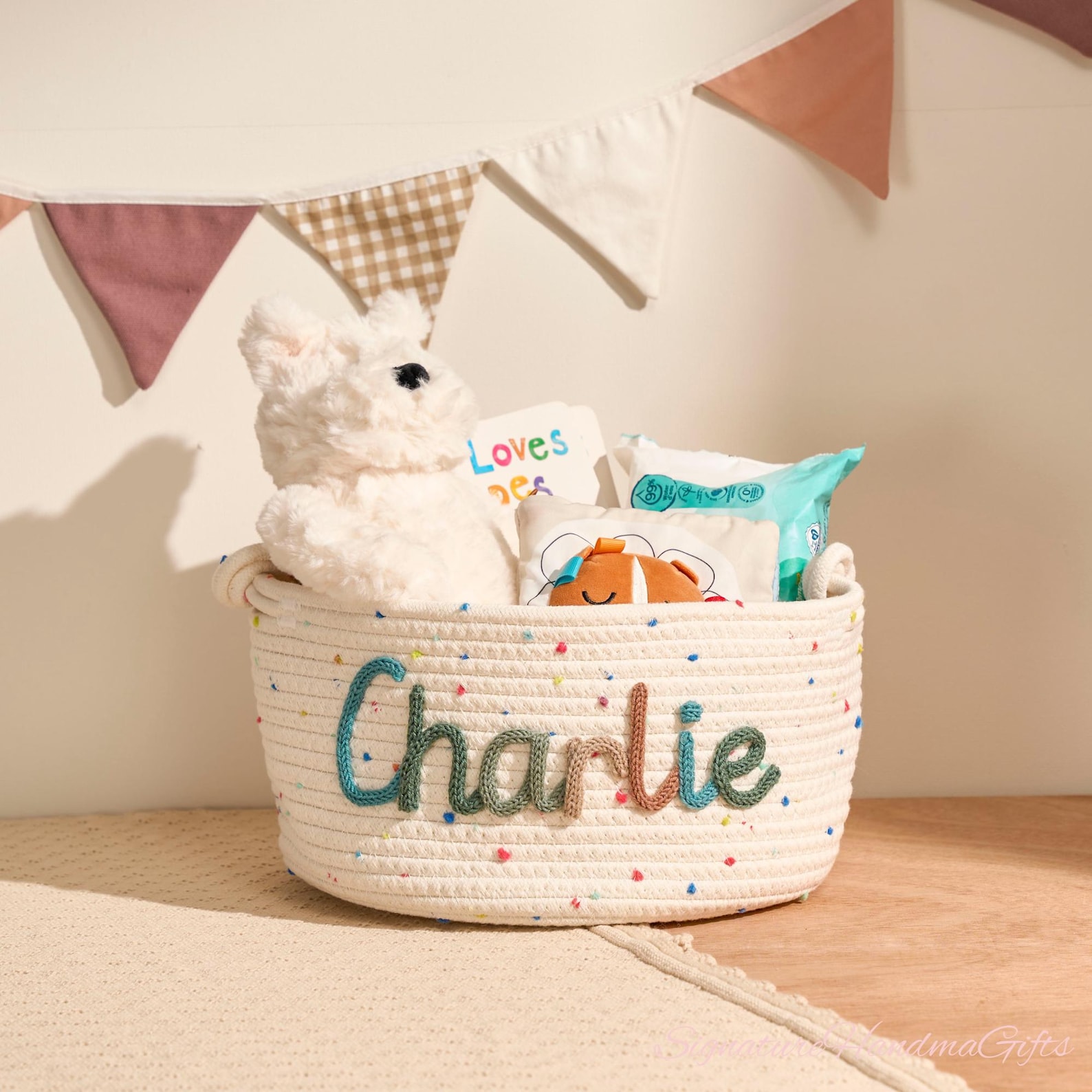
- Using storage baskets, shelves, and under-bed storage.
- Encouraging children to tidy up toys at the end of each day.
An organised home is easier to maintain, promotes calm, and gives every family member more room to breathe. Families who embrace a minimalist family home often find it easier to stay clutter-free and enjoy a calmer living space.
Parents may also want to explore organised kids’ bedroom storage ideas, such as under-bed drawers, labelled toy bins, or wall-mounted shelving to maximise floor space.
Taking small but consistent steps, like those in these decluttering tips for hoarders, makes it easier to keep on top of mess.
Benefits of Natural Light in Children’s Rooms
Exposure to natural light boosts mood, energy, and Vitamin D levels. A dark home can feel draining and impact sleep cycles.
Make the most of natural light by:
- Keeping curtains open during the day.
- Using mirrors to reflect light into darker rooms.
- Painting walls in light colours to brighten the space.
- Spending time outside daily, even if just in the garden.
The benefits of natural light in children’s rooms go beyond improved mood. Natural light helps regulate circadian rhythms, which support healthier sleep patterns.
A brighter bedroom also creates a more positive, welcoming space for play and study, forming part of a positive living space that benefits the whole family.
Clutter-Free Furniture Ideas for Children’s Bedrooms
A child’s sleep environment plays a huge role in their wellbeing, mood, and energy levels. The right bed not only ensures they’re comfortable but also helps keep the bedroom organised and safe.
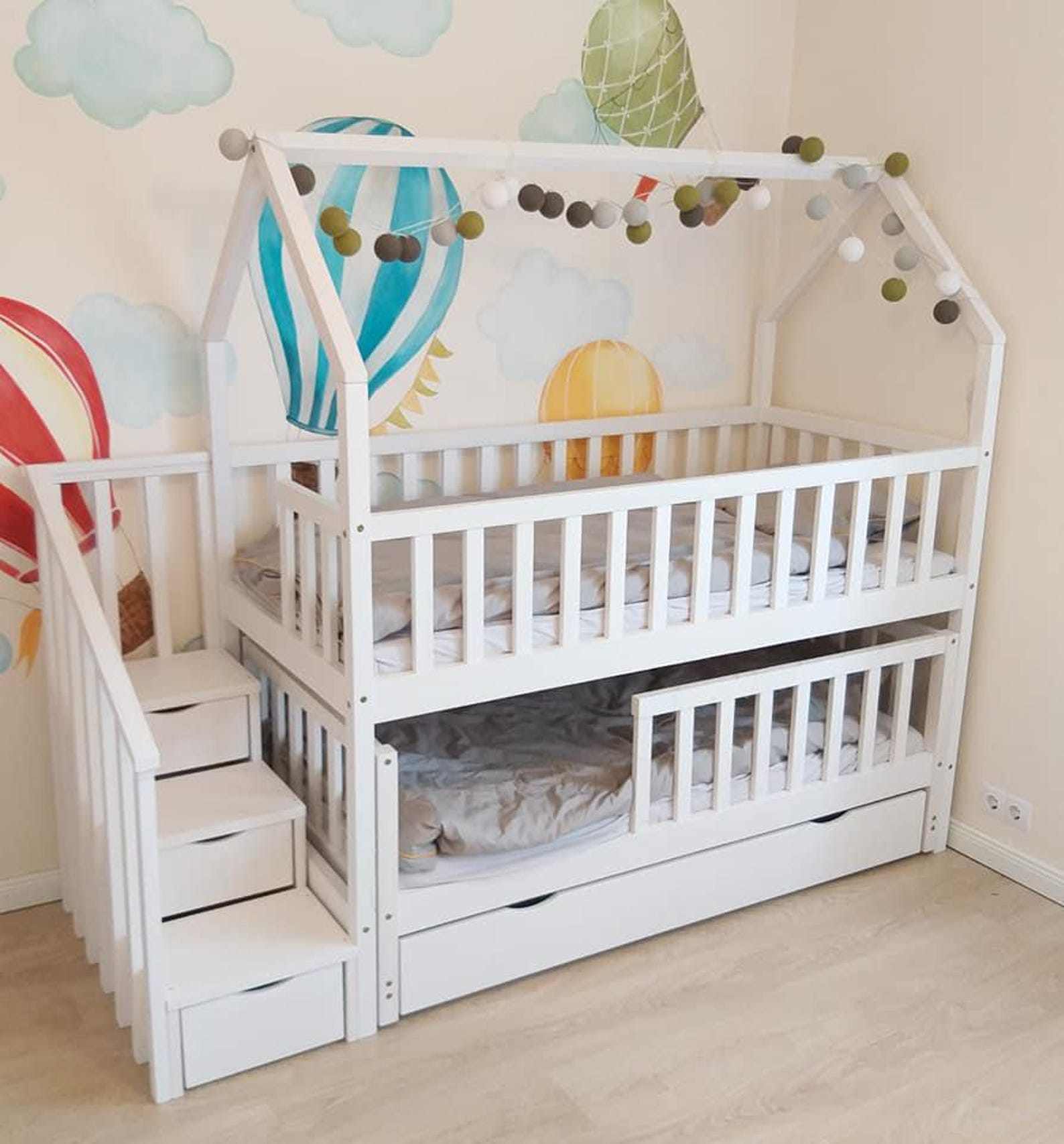
Many families like space-saving solutions such as high sleepers. These beds create extra room underneath for storage, play areas, or even a desk, which is especially helpful in smaller homes.
For siblings sharing a room, bunk beds are a classic way to save floor space. Another option is a mid-sleeper bed, which sits lower than a high sleeper but still provides useful storage and play space beneath.
These space-saving children’s beds for small rooms not only encourage healthy sleep habits but also keep the room clutter-free, making it a calmer environment for children to relax and recharge.
Families setting up nurseries or younger children’s spaces may also benefit from these ideas for a modern baby nursery.
Other clutter-free furniture ideas include multifunctional pieces such as toy chests that double as seating, or wardrobes with built-in shelving to keep belongings organised. Opting for under-bed drawers or compact storage cubes makes it easier for children to tidy up their own toys, helping them build healthy routines from a young age.
Parents can also explore eco-friendly furniture choices, such as sustainably sourced wood or recycled materials, which contribute to a healthier home overall.
Choosing furniture designed for longevity supports a minimalist family home, reduces waste, and ensures your child’s room remains practical and calm as they grow.
Family Screen Time Rules at Home
Technology is part of modern family life, but too much screen time can affect sleep, posture, and relationships. By creating healthy screen habits at home, you can protect family wellbeing.
Try these tips:
- Set boundaries such as no screens during mealtimes.
- Create device-free zones, especially in bedrooms.
- Encourage family activities like board games, outdoor walks, or cooking together.
Balancing technology use with family screen time rules at home helps create a calmer, healthier atmosphere and sets positive habits for children as they grow.
Add Indoor Plants for Wellbeing
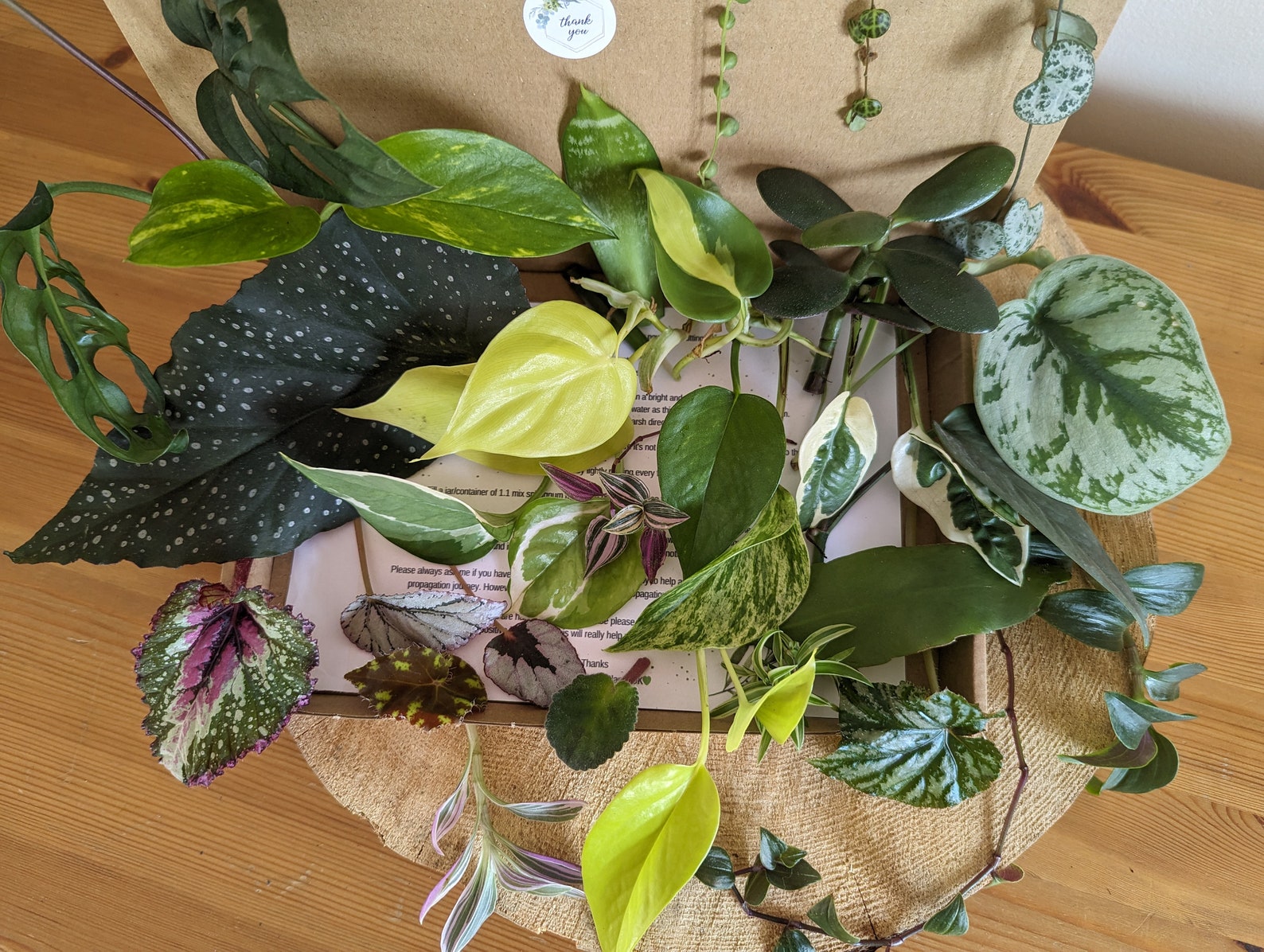
Plants don’t just improve air quality, they also bring life and calm to your space. Studies show that spending time around greenery can lower stress and improve focus.
Great low-maintenance options include aloe vera, snake plants, and pothos. In children’s rooms, choose non-toxic varieties and place them safely out of reach.
You can also make your own eco-friendly cleaning products to keep your home healthy without harsh chemicals, which pairs well with the calming effect of indoor plants.
Meal Routines for Healthier Family Eating
Eating together at a table encourages healthier eating habits, better communication, and more mindful meals. Even if busy schedules make it difficult, try to share at least one meal a day as a family.
This practice strengthens bonds and provides a sense of stability. Families that stick to meal routines for healthier family eating also tend to consume more fruit and vegetables, and fewer processed snacks.
Final Word
A healthier home environment supports the wellbeing of everyone who lives in it. From reducing toxins to choosing practical furniture like children’s beds that free up space, each step makes your home calmer and safer.
By making thoughtful choices, such as optimising your bedroom for rest and reducing nightly disturbances, you can also stop feeling tired all the time and wake up more refreshed.
Discover more from Healthy Vix
Subscribe to get the latest posts sent to your email.
These are some great ideas – I definitely need to try and do a bit clean up as we are really cluttered at the moment and it feels so yuck